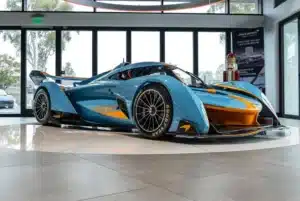
The genesis magma gt represents a significant shift in the Korean luxury marque’s performance ambitions. Rather than adapting an existing sedan or SUV into something sportier, Genesis has created a dedicated two-seat grand tourer concept with a mid-rear engine layout, dramatic proportions and a design language intended to define the brand’s performance direction for the next decade. Genesis describes it as its first pure sports-car typology and the halo model for its long-term high-performance strategy.
The concept first appeared publicly at Le Castellet, France, in November 2025. It was subsequently shown in an evolved form at the 2026 24 Hours of Le Mans, where Genesis also revealed the related Magma GT3 Concept. That progression is important because the road-focused GT is no longer just a styling exercise. It now sits within a broader performance and motorsport programme.
Genesis Magma GT Concept: A New Performance Flagship
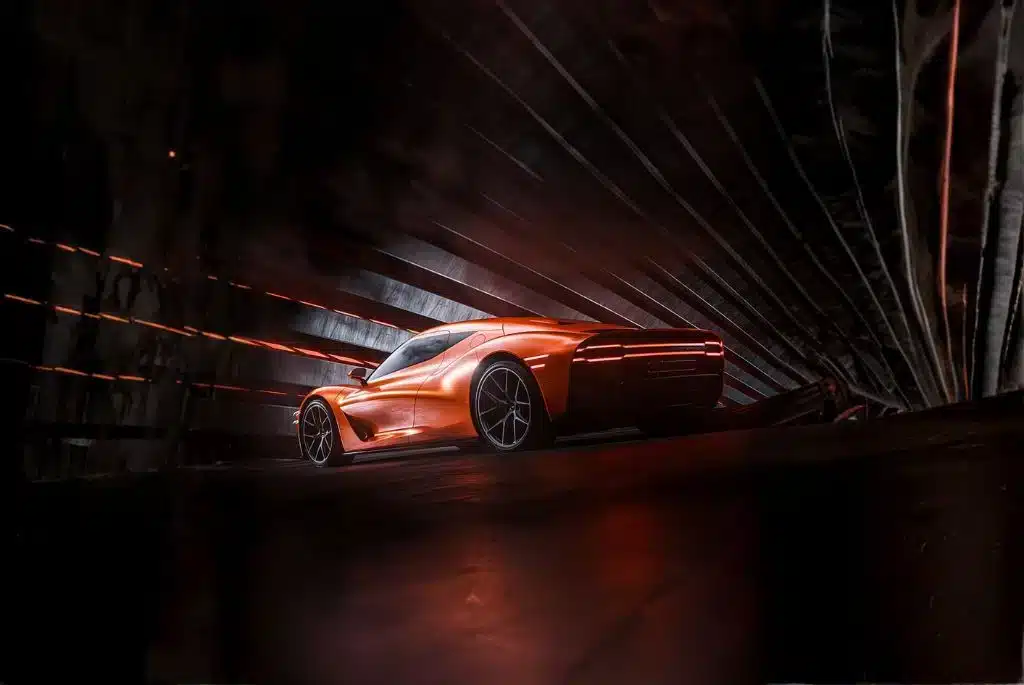
The genesis magma gt concept marks a departure from the conventional Genesis formula. The brand’s production range has traditionally concentrated on luxury sedans, SUVs and crossovers, while the Magma programme is intended to add a stronger performance dimension across the portfolio.
The GT concept is particularly significant because Genesis does not position it simply as a faster version of an existing vehicle. It is a standalone sports-car proposition designed around the principles of what Genesis calls “Effortless Performance”, with balance and driver confidence placed alongside outright speed.
The concept’s proportions immediately establish its intentions:
- Two-seat grand-touring configuration
- Mid-rear engine architecture
- Low-slung front end
- Wide rear fenders
- Long, flowing roofline
- Boat-tail cabin treatment
- Low and wide stance
- Motorsport-inspired aerodynamic surfaces
The result is a car that sits somewhere between a traditional grand tourer and a modern mid-engine supercar in visual philosophy.
Design: Athletic Elegance Meets Motorsport

The genesis magma gt is built around Genesis’ “Athletic Elegance” design philosophy, but the execution is far more aggressive than the company’s conventional road cars.
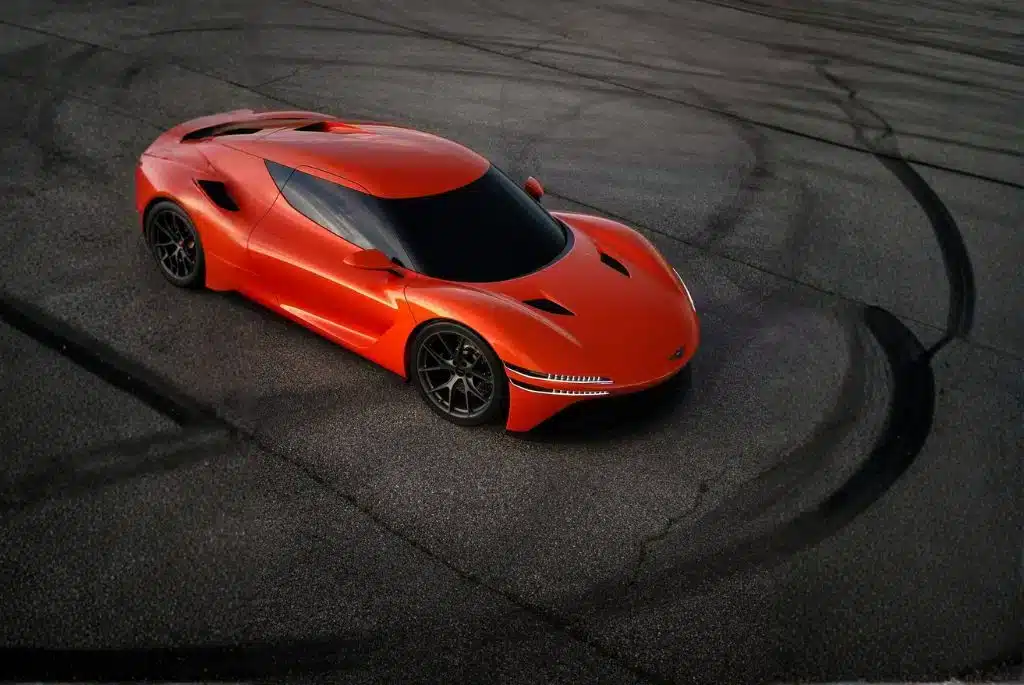
The bonnet sits low at the front, while the roofline stretches rearward before tapering into a boat-tail shape. That narrowing cabin makes the rear fenders appear even broader, giving the car a planted stance without relying entirely on oversized aerodynamic appendages. Genesis describes the proportions as an interpretation of classic GT racing forms through its own design language.
The front end carries some of the most technically interesting details.
Canards are integrated directly into the headlamp area rather than appearing as separate racing add-ons. Beneath them, the G-Matrix pattern extends from the front splitter toward wing-like structures on either side. Genesis says these elements are intended to serve functional aerodynamic purposes rather than existing purely for visual drama.
At the rear, the design becomes more sculptural. Wide fenders frame the tapered cabin, while mechanical rear two-line lamps provide a distinctive interpretation of Genesis’ lighting signature.
The approach is remarkably restrained considering the car’s performance ambitions. There is aggression in the stance, but the surfaces remain relatively clean.
Engine and Performance
The genesis magma gt is still officially a concept, so a complete production specification has not been announced. Genesis has, however, provided one particularly significant technical detail.
This is useful because the original design presentation describes a Two-threshold V8 of Up To 800 hp, maintaining simplicity and clarity. The main point is that Genesis linked the railcar’s architecture and execution philosophy with its future GT racing ambitions.
That figure places the concept firmly in supercar territory, but outright power is not the only interesting part of the mechanical package. The mid-rear engine layout suggests that Genesis is concentrating heavily on weight distribution and chassis balance.
That matters because a powerful engine alone does not create a convincing sports car. The position of the engine, the relationship between the axles and the aerodynamic package all influence how a car responds when braking, turning and accelerating.
Genesis has deliberately avoided presenting the GT as simply a horsepower exercise. The company’s own description repeatedly emphasizes balance, composure and connection between driver and machine.
What is known about the powertrain?
- Twin-turbocharged V8
- Up to 800 hp in the concept specification
- Mid-rear engine layout
- Performance-oriented aerodynamic development
- Architecture designed around high-performance driving
Production specifications could differ, so the concept’s current figures should not be treated as final road-car specifications.
Aerodynamics Have a Functional Purpose
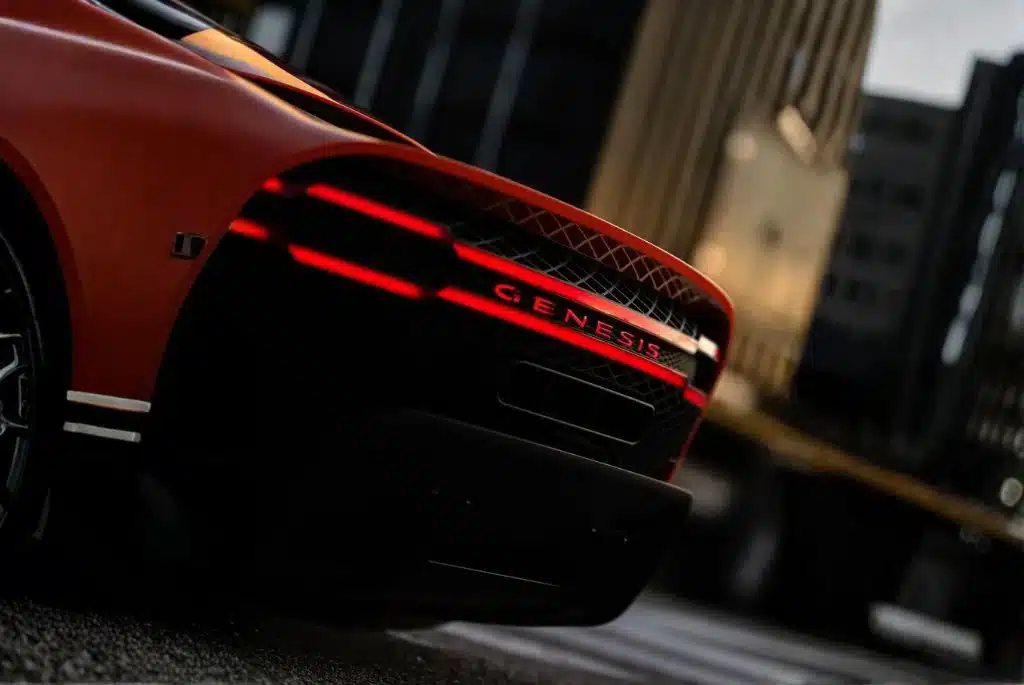
The genesis magma gt uses aerodynamic elements as part of its overall architecture rather than treating them as decorative additions.
The front canards merge with the headlamps, while the G-Matrix surfaces expand outward from the splitter. Genesis says these components are intended to optimize airflow and contribute to aerodynamic efficiency and driving performance.
The rear is similarly shaped around airflow. The wide body and tapered cabin create a distinctive visual profile while supporting the car’s low, planted stance.
This becomes particularly interesting when the GT is compared with the Magma GT3 Concept. The racing version retains the basic silhouette but receives substantially more aggressive aerodynamic hardware, including a prominent splitter, enlarged ducts, a door-mounted fin and a fixed rear wing.
The difference shows how the same basic design philosophy can be adapted for road and track applications.
Interior: A More Analog Approach
Inside, the genesis magma gt takes a noticeably different direction from the increasingly screen-heavy cabins found across the modern luxury market.
The updated concept revealed at Le Mans features a twin-cockpit layout designed around the driver and passenger separately. The driver’s environment is centered around an analogue instrument cluster inspired by motorsport timekeeping, while tactile controls are used to emphasize mechanical interaction.
That decision is significant.
Genesis could have filled the cabin with large digital displays to underline its technological credentials. Instead, the GT concept appears to use mechanical and tactile details to create a stronger connection between the driver and the car.
The exposed mechanical shift gate is another deliberate touch. It adds visual theatre while reinforcing the concept’s motorsport influence.
The overall philosophy is less about turning the cabin into a digital lounge and more about making the driver feel surrounded by purposeful hardware.
The Genesis Magma GT and the GT3 Connection
The genesis magma gt became even more significant when Genesis revealed the Magma GT3 Concept at the 2026 24 Hours of Le Mans.
The GT3 car is not simply a road car with racing stickers. Genesis describes it as an exploration of GT3 technical regulations, with a performance-first approach to architecture, aerodynamics and engineering.
The racing concept features:
- Wider front and rear tracks
- Large front splitter
- Enlarged aerodynamic ducts
- Door-mounted aerodynamic fin
- Fixed rear wing
- Race-focused rear structure
- Enhanced cooling and thermal management
Genesis says the GT3 Concept was developed with Hyundai Motorsport engineers, creating a direct connection between the brand’s design ambitions and its motorsport programme.
That relationship gives the road-going GT greater significance. It suggests Genesis wants the Magma identity to exist both on the road and within professional motorsport rather than functioning purely as a visual sub-brand.
Genesis Magma GT Price and Availability
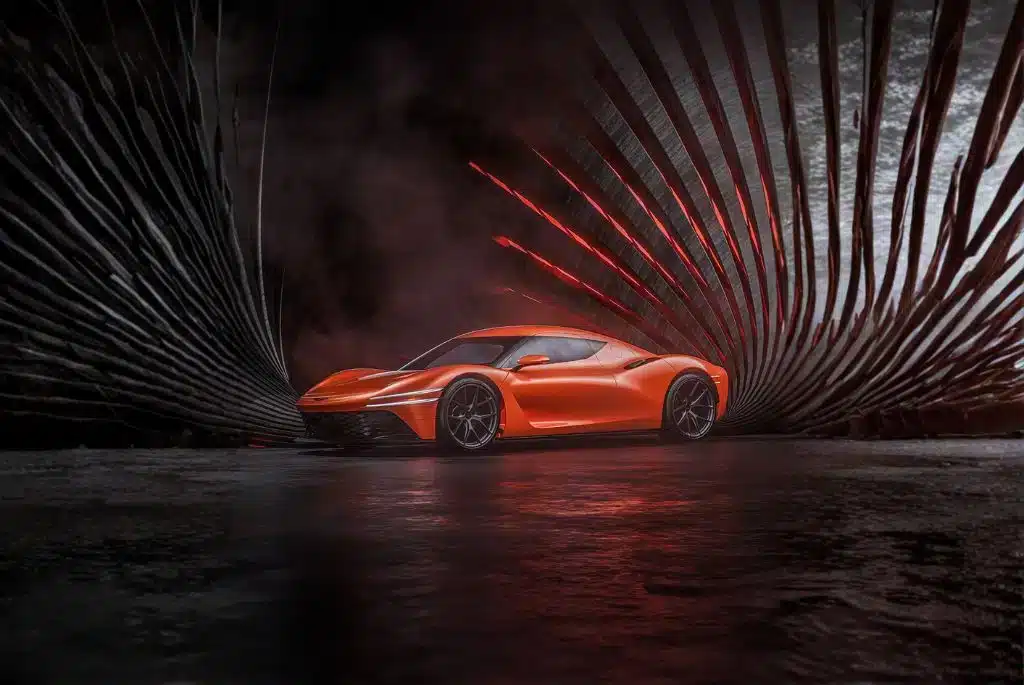
The genesis magma gt price cannot currently be given as a confirmed production-car figure because the vehicle remains a concept.
Genesis’ official material explicitly identifies it as a concept vehicle and states that it is not for sale.
Therefore, estimates suggesting a specific showroom price should be treated as speculation rather than confirmed information.
The same caution applies to final production specifications, performance figures, dimensions and equipment. Genesis has outlined the car’s design direction and performance philosophy, but a complete retail specification has not been published.
That distinction is particularly important for a vehicle positioned as a future halo model. Genesis has confirmed plans for the GT to guide its performance strategy, but the final road-going car could differ from the concept displayed today.
What the Magma GT Means for Genesis
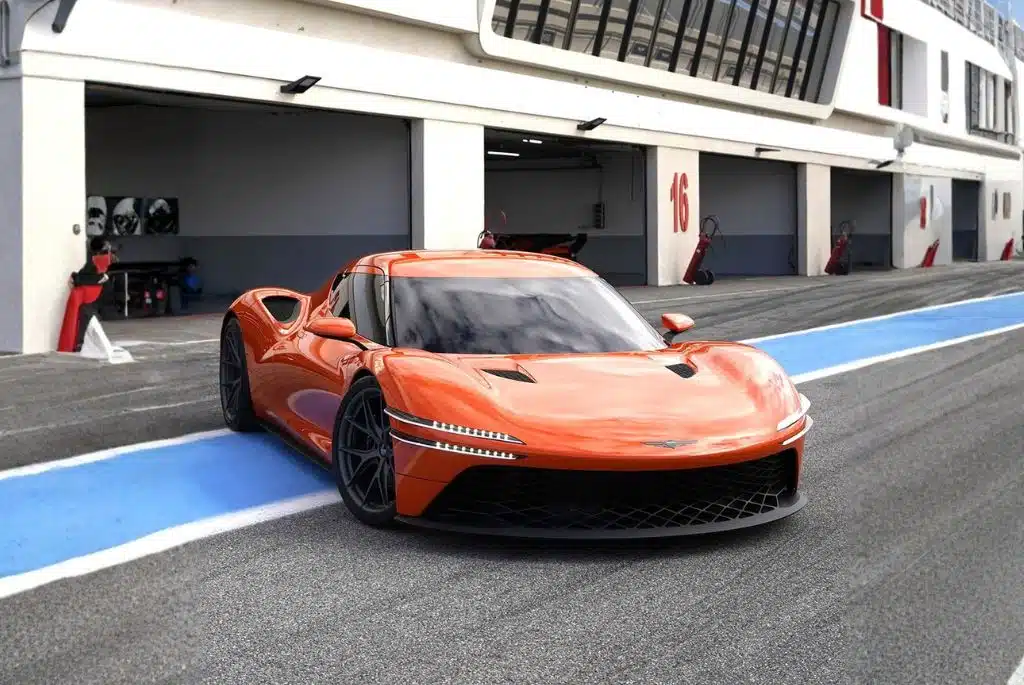
The genesis magma gt matters beyond its dramatic appearance because it gives Genesis something the brand has historically lacked: a dedicated performance flagship.
The Magma programme officially launched in 2024 alongside the GV60 Magma Concept. Genesis has since expanded the programme across several concepts and high-performance projects, including the G80 Magma Special, GV60 Magma and Magma GT.
The GT therefore represents the top of a much larger strategy.
Rather than creating one isolated sports car, Genesis is building an identity around performance, luxury and motorsport. The Magma GT is intended to become the visual and philosophical reference point for that effort.
Its significance is also reflected in Genesis’ recent design recognition. In July 2026, the Magma GT Concept won a 2026 Red Dot Award in the Cars and Motorcycles category for Concept Cars.
A Different Kind of GT
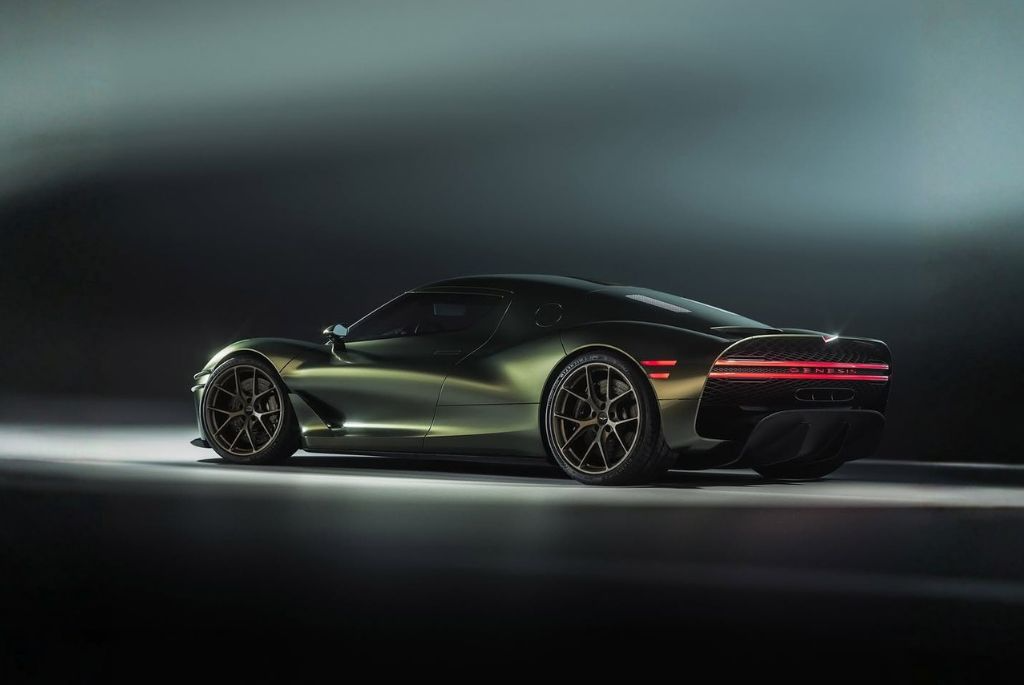
The genesis magma gt does not appear interested in following the conventional recipe for a luxury GT.
Traditional grand tourers tend to prioritize long-distance comfort, effortless power and high-speed refinement. The Magma GT retains the elegance associated with that category but introduces a much stronger motorsport influence.
Its mid-rear engine layout, broad rear bodywork, aerodynamic surfaces and two-seat cabin push it toward the supercar end of the spectrum. Yet the design avoids the visual clutter often associated with extreme performance cars.
That balance is arguably the concept’s strongest feature.
Genesis is attempting to make performance look sophisticated rather than intimidating. The car is wide and aggressive, but its surfaces remain controlled. The cabin is performance-focused without appearing stripped out. The aerodynamics are visible, but integrated into the body rather than simply bolted onto it.
The Road Ahead
The research reveals that the Genesis Magma GT continues a concept, but its ontology already goes beyond a stable design study, bringing together solid research with practical value. It’s important to understand that the updated 2026 version introduced a revised exterior and a new interior; the corner of the Magma GT3 concept proved how Genesis translates the same philosophy for racing.
The most interesting question is therefore no longer whether Genesis can design a convincing supercar. The Magma GT has already answered that visually.
The real test will come if and when the concept becomes a production vehicle.
A production GT would need to preserve the balance between luxury and performance that Genesis has promised while meeting the practical demands of homologation, safety, reliability and everyday usability. The challenge is considerable, particularly for a brand still establishing its identity in the upper reaches of the performance-car market.
The Future of Genesis Performance
The genesis magma gt is one of the clearest indications yet that Genesis intends to compete on more than luxury, technology and design. Its mid-rear engine architecture, twin-turbo V8 concept powertrain, aerodynamic body and driver-focused cabin point toward a genuine performance machine rather than another cosmetic performance package.
Its relationship with the Magma GT3 Concept makes the story even more compelling. Genesis is exploring a path from road-going luxury performance to professional motorsport, with the GT acting as the bridge between the two.
For now, there is no confirmed production price or final specification. The genesis magma gt price remains undisclosed because the car is still officially a concept and is not available for sale.
What is already clear is the direction. Genesis wants its future performance cars to combine the visual elegance of a grand tourer with the engineering discipline of a race car. If the production version retains the essential character of this concept, the Magma GT could become the defining performance statement of Genesis’ next decade.
About The Author