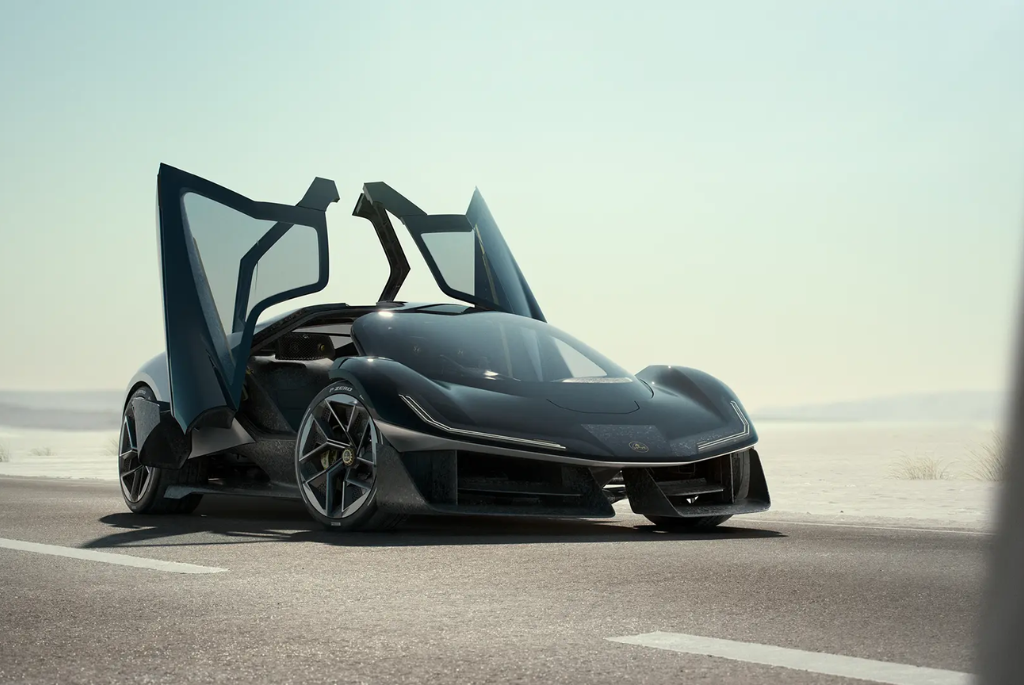
Lotus has unveiled the Theory 1, a striking electric supercar concept that offers a glimpse into the company’s future design direction and technological ambitions. Designed as a high-performance three-seater EV, the Theory 1 combines futuristic styling, advanced aerodynamics, and an impressive 1,000-horsepower electric powertrain. While currently a concept, many of its design and technology elements are expected to influence upcoming Lotus production models.
The Theory 1 showcases Lotus’ new design philosophy, known as “Lotus Theory,” which will serve as the foundation for future vehicles from the British performance car manufacturer.
Lotus Theory 1: Exterior and Interior Design
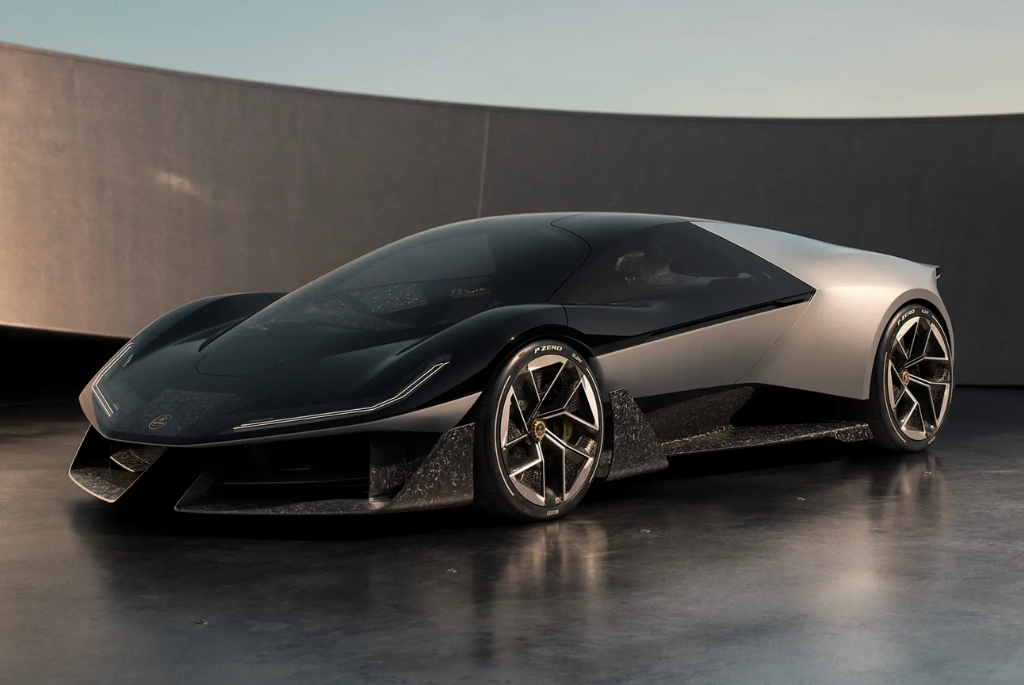
The Theory 1 takes subtle inspiration from the iconic Series 1 Esprit while introducing an entirely modern and futuristic appearance. Developed at Lotus’ design centre in Coventry, the concept is built on a bespoke platform specifically designed for high-performance electric vehicles.
Aerodynamics play a major role in the vehicle’s design. The front end features drag-reducing air deflectors and an advanced diffuser system that helps manage airflow efficiently. A sculpted underbody channels air through the vehicle’s cooling systems before directing it toward the rear, maximizing downforce while minimizing drag. This aerodynamic setup works in conjunction with an active rear wing that automatically adjusts to driving conditions.
One of the most distinctive styling elements is the exposed carbon-fibre front section, which highlights the car’s lightweight construction. At the rear, the structure seamlessly blends into a large glass dome roof, creating a dramatic and futuristic profile.
Inside, the Theory 1 adopts an unconventional three-seat layout similar to the legendary McLaren F1. The driver sits in a central position, while two passenger seats are placed slightly behind on either side. This configuration provides a unique driving experience and emphasizes the car’s performance-focused character.
Also read – The Rugged Ioniq 5 XRT: Off-Road Ready Electric Powerhouse
The interior follows a minimalist approach. Instead of a traditional infotainment system, Lotus has fitted a compact display on the steering wheel. Essential driving information is projected closer to the windscreen, allowing drivers to keep their eyes focused on the road. The driver’s seat remains fixed, while the steering wheel and pedals can be adjusted to suit different drivers.
Lotus Theory 1: Powertrain
The Theory 1 is powered by a dual-motor all-wheel-drive electric powertrain that delivers a combined output of 1,000 horsepower. Energy is supplied by a 70kWh battery pack positioned near the rear motor to optimize weight distribution and handling characteristics.
Thanks to its immense power output, the electric supercar can accelerate from 0 to 100 km/h in under 2.5 seconds, placing it among the quickest performance cars in the world. The vehicle also boasts an impressive top speed of 320 km/h.
Despite its performance focus, Lotus has also paid attention to efficiency. The 70kWh battery offers a WLTP-certified driving range of approximately 402 kilometres on a single charge, making it practical enough for everyday use while maintaining supercar-level performance.
A Glimpse into Lotus’ Future
Although the Theory 1 remains a concept for now, it serves as a preview of what future Lotus models could look like. With its innovative three-seat layout, advanced aerodynamics, lightweight construction, and powerful electric drivetrain, the Theory 1 demonstrates Lotus’ commitment to combining performance, technology, and sustainability in the electric era.
About The Author