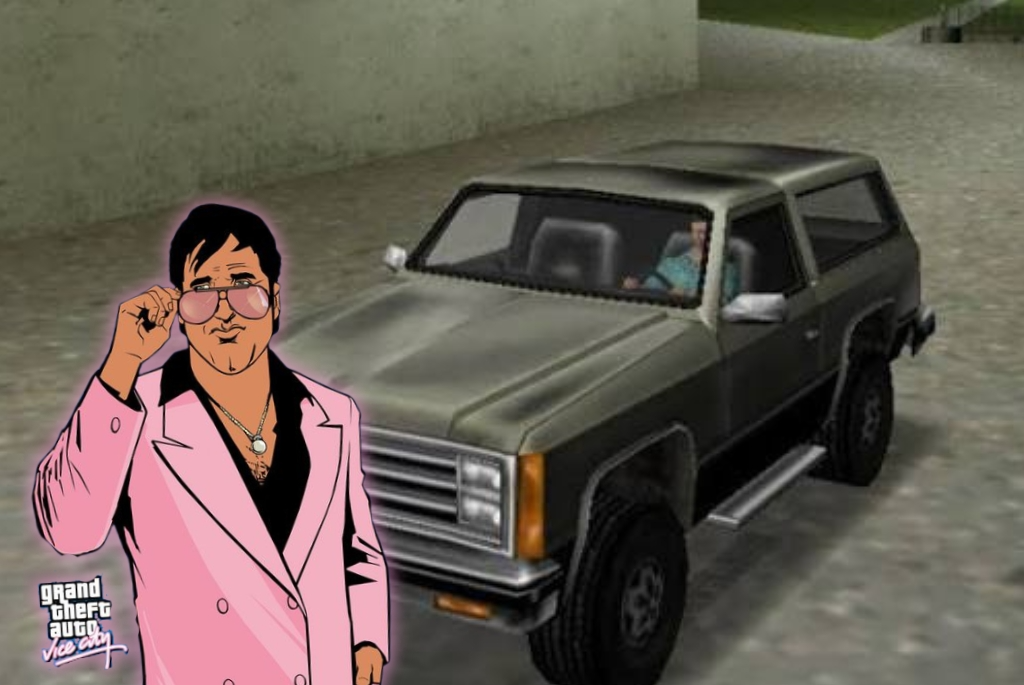
The Chevrolet K5 Blazer occupies a special place in American automotive history. Introduced for the 1969 model year, it arrived when the SUV market was still taking shape, joining vehicles such as the Ford Bronco, Jeep CJ and International Harvester Scout. Chevrolet took a different approach by building its new sport-utility vehicle around shortened C/K pickup underpinnings. That decision gave the Blazer more size, interior room and truck-like capability than many of its early rivals.
In the two decades that followed, the Blazer changed quite a bit. The Blazer developed new body styles. It created new four-wheel-drive systems and had new engine options. The comfort of the Blazer also increased. However, the Blazer did not lose the basic truck-based element that made the Blazer so unique. This story eventually led to the creation of the full-size Tahoe. However, the classic K5 remains the full-size model most comparable to early full-size Chevrolet SUVs.
In the timeline below, key points of that evolution are highlighted.
1969 Chevrolet K5 Blazer: The Beginning
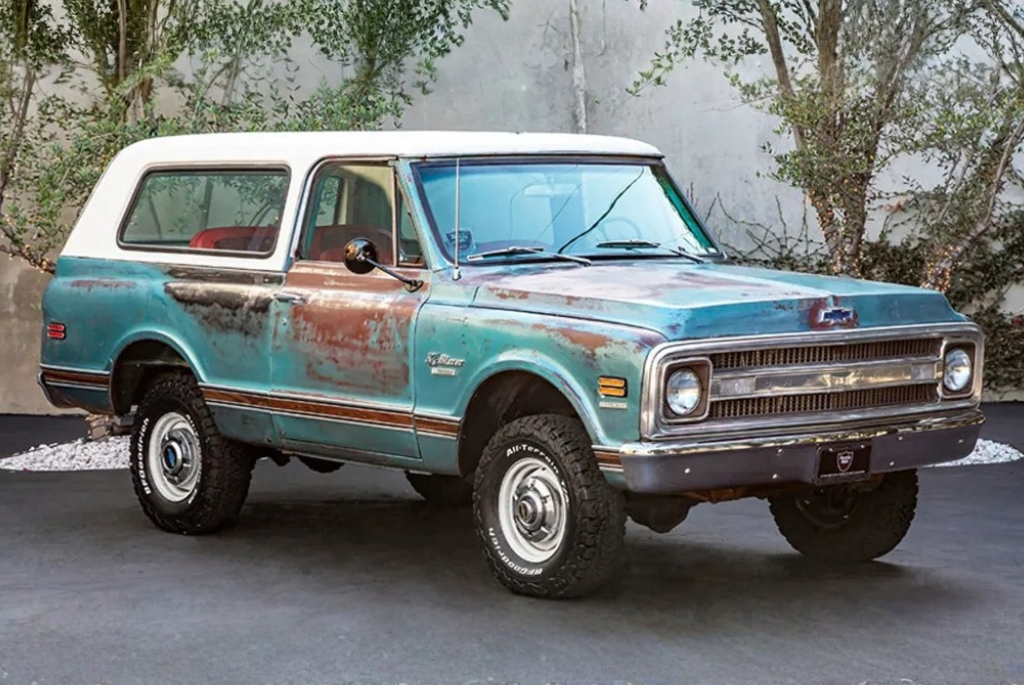
The 1969 Chevrolet K5 Blazer was Chevrolet’s first foray into the new SUV market. Rather than develop a new platform entirely, Chevrolet repurposed parts from the C/K pickup range. The Blazer had a shortened wheelbase; plus, the pickup’s cab-and-bed could be replaced with an SUV body.
The result was a vehicle that looked familiar to pickup buyers but offered a very different type of practicality. The first-generation Blazer was initially offered with four-wheel drive as standard, while six- and eight-cylinder engines provided the necessary range of powertrains for a vehicle designed to work both on and off pavement.
The fully removable hardtop was one of the most iconic features of the Blazer. Without the hardtop, the Blazer essentially became an open-air, all-terrain vehicle. The Blazer’s character was synonymous with adventure.
Here are the characteristics of the 1969 Blazer:
- Derived from the C/K pickup
- Shorter wheelbase than C/K pickup
- Came with four-wheel drive with every model
- Available with six- or eight-cylinder engines
- Completely removable hardtop
- Substantial interior and cargo space
The larger dimensions were intentional. Compared with smaller early SUVs, the Blazer offered more room, although its size naturally made it less nimble on particularly narrow trails.
1970 Chevrolet K5 Blazer: Rear-Wheel Drive Arrives
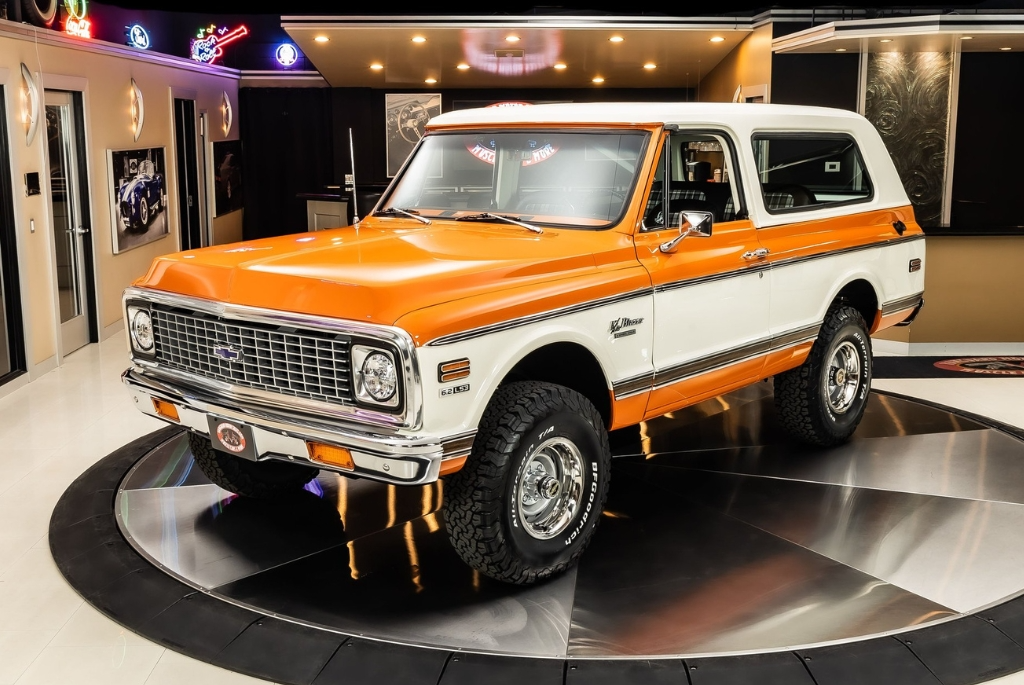
In 1970, Chevrolet made the Chevrolet K5 Blazer formula a bit more versatile by adding a 2WD option. The update meant a new appeal and customer base for the K5 Blazer.
This was an important development because it showed that Chevrolet was already treating the Blazer as more than a specialist off-roader. A rear-drive version could appeal to buyers interested in everyday transportation, recreation and utility without necessarily requiring a four-wheel-drive system.
The basic formula remained unchanged. The Blazer still combined pickup-derived engineering with a short-wheelbase SUV body and removable roof.
The result was an unusually versatile vehicle for its time. It could serve as a recreational machine during the weekend while retaining the load-carrying and durability characteristics associated with Chevrolet’s trucks.
1973 Chevrolet K5 Blazer: A Bigger Second Generation
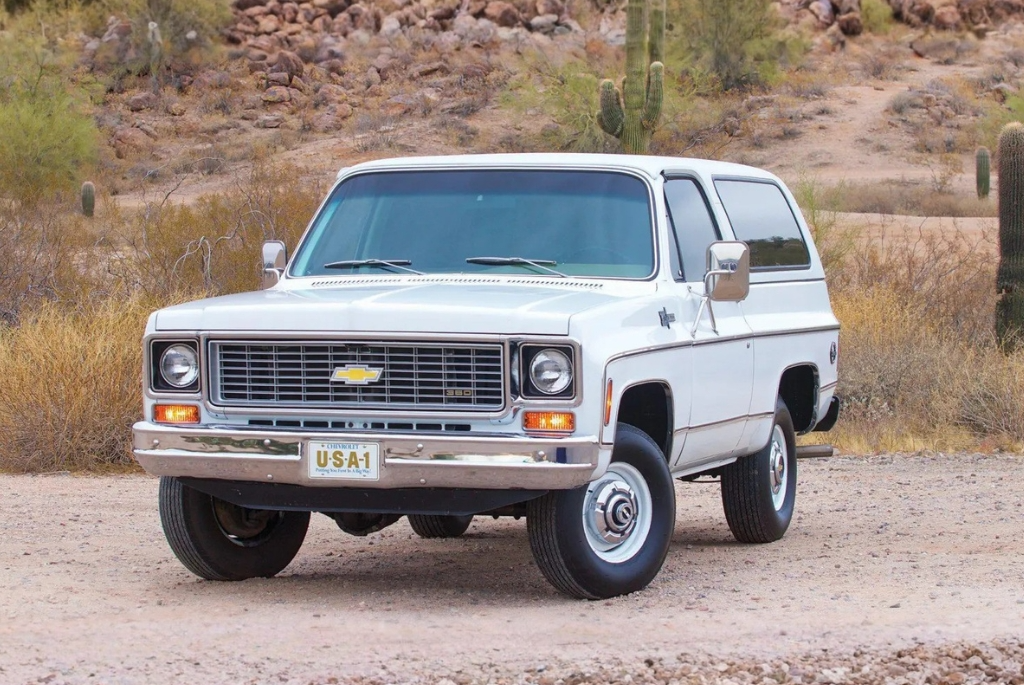
The second generation of the Chevrolet K5 Blazer began with a redesign in 1973. The design changed K5 Blazers from their previous box-like design. The new design was more rounded. The new design also made the K5 Blazer larger, with a larger overall length and a larger wheelbase.
The second generation also improved the K5 Blazer’s comfort. The design and structure became stronger, more comfortable, and full-sized while maintaining the same full-sized structure.
For a short period, the new-generation Blazer retained a completely removable roof. This created an unusual combination: a more modern chassis and body structure underneath an old-school open-air SUV concept.
The second generation improved the drivetrain. For some V8s and automatics, Chevrolet added full-time four-wheel drive. This made the off-road feature more convenient.
The 1973 redesign ultimately became the foundation for the long-running square-body era.
1976 Chevrolet K5 Blazer: A New Roof Concept
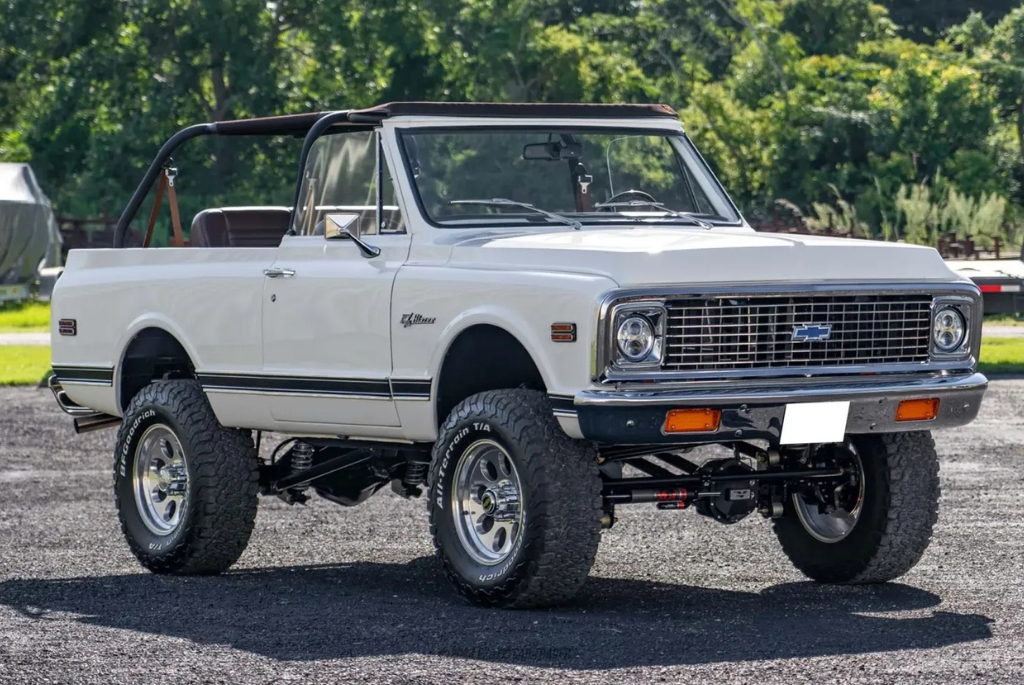
The 1976 Chevrolet K5 Blazer represented a major change in the vehicle’s open-air design. Chevrolet moved away from the completely removable roof used during the earliest years of the second generation.
Instead, the front section received a fixed steel roof while the rear roof section remained removable.
This arrangement provided a more practical compromise. Front occupants gained a conventional enclosed cabin while passengers in the rear could still experience open-air driving when the removable roof section was taken away.
The new configuration also opened the door to more specialised versions. In 1977, Chevrolet introduced the Blazer Chalet, a rare camper-oriented version featuring a factory camper unit built by Chinook Mobilodge.
The change reflected the Blazer’s gradual transformation. It was no longer simply a basic off-road runabout. Owners were increasingly using it for camping, family trips, towing and everyday transportation.
1981 Chevrolet K5 Blazer: The Square-Body Evolves
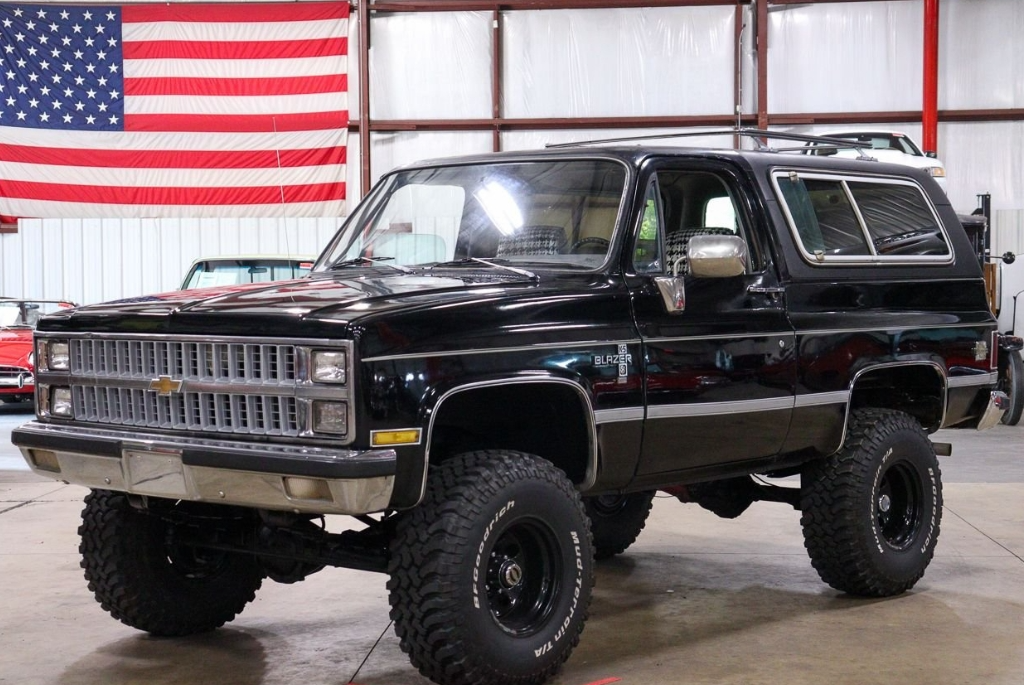
The 1981 Chevrolet K5 Blazer was the first in the second generation to receive a major restyle. It kept the classic square body, but Chevy made some enhancements to the rest of the body and the mechanics.
The K5’s boxy silhouette had already become one of its defining characteristics. Straight body lines, pronounced wheel openings and a tall stance gave the Blazer a visual identity that remains instantly recognisable today.
The mechanical evolution was equally important. Four-wheel-drive systems continued to develop during this period, with technology such as shift-on-the-fly four-wheel drive eventually becoming available during the 1980s.
This mattered because the Blazer was increasingly expected to operate in ordinary road conditions as well as difficult terrain. The more convenient four-wheel-drive technology made the vehicle easier to use without abandoning its off-road credentials.
By this point, the K5 had established itself as a genuine multipurpose vehicle.
1982 Chevrolet K5 Blazer: The Diesel Arrives
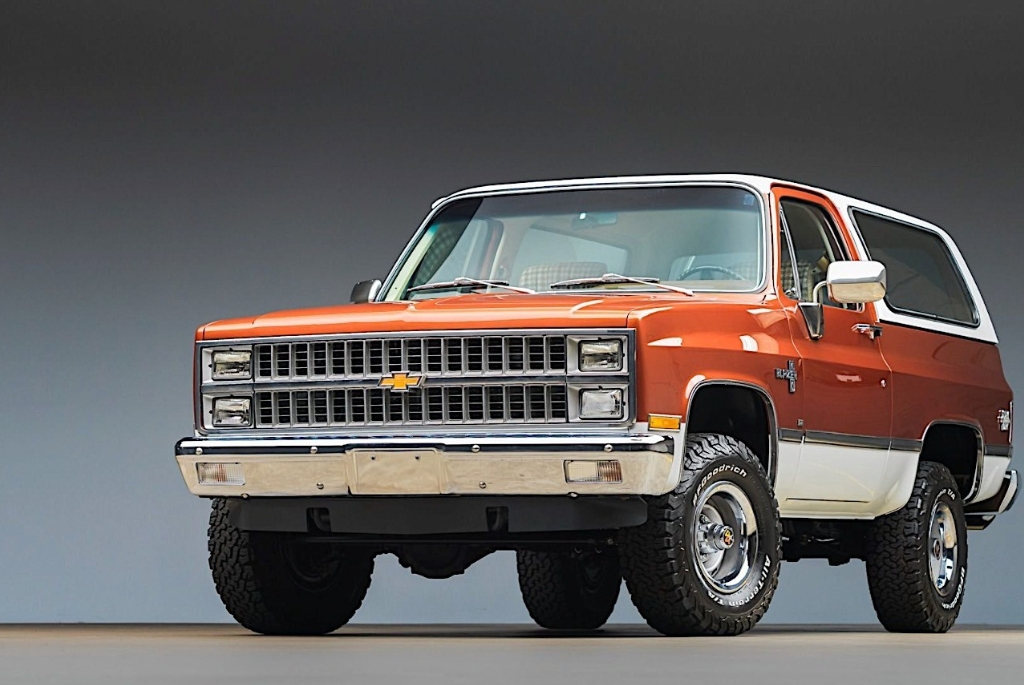
The 1982 Chevrolet K5 Blazer introduced an important new powertrain option when Chevrolet added a 6.2-liter diesel V8. According to Car and Driver’s historical account, the diesel was offered exclusively with four-wheel drive and paired with a new four-speed automatic transmission.
The addition made sense for a large truck-based SUV. Diesel power brought a different character to the lineup, particularly for buyers interested in utility and long-distance operation.
The four-speed automatic also reflected the continuing development of the Blazer’s drivetrain. The vehicle was becoming more sophisticated without abandoning the fundamental mechanical architecture that made it useful.
The diesel was not a defining feature of every K5, but its arrival demonstrates how Chevrolet was adapting the vehicle to changing customer requirements.
1983 Chevrolet K5 Blazer: The S-10 Changes the Blazer Family
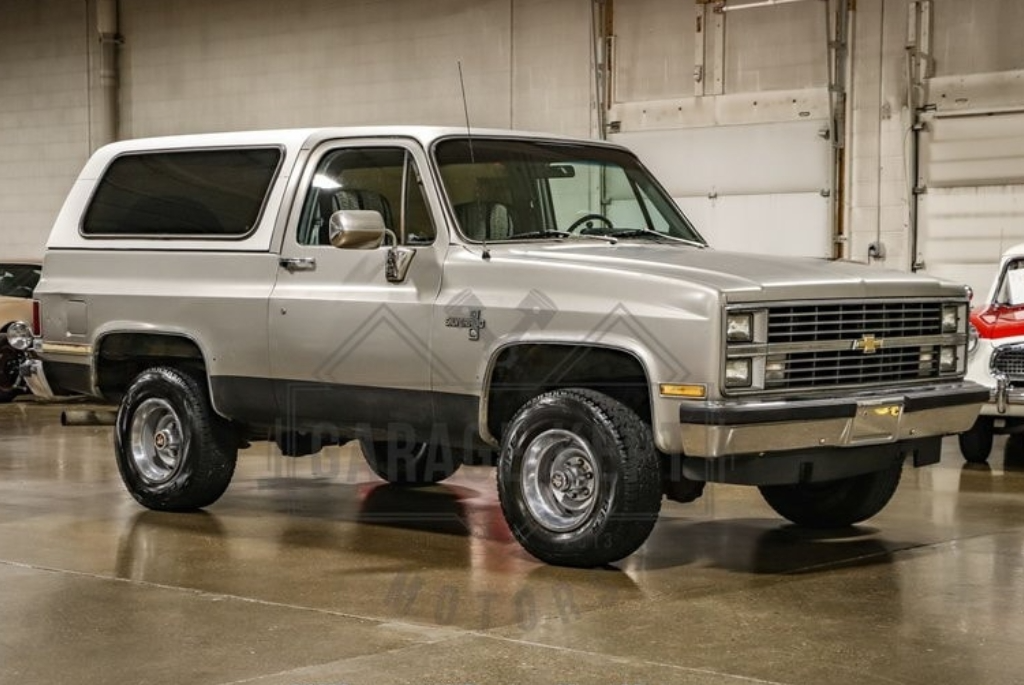
When the 1983 Chevrolet K5 Blazer was released, so was the Chevrolet S-10 Blazer, a smaller Blazer model based on the S-10 pickup truck, which Chevrolet designed as a compact pickup, as was the Chevrolet K5, a full-size pickup truck.
The introduction created two distinct interpretations of the Blazer name.
The full-size K5 remained focused on:
- Full-size truck capability
- Larger interior dimensions
- Heavy-duty utility
- Four-wheel-drive performance
- Towing and recreational use
The S-10 Blazer, by comparison, targeted buyers who wanted a smaller and more manageable SUV.
This was an important moment for Chevrolet because the SUV market was expanding rapidly. Offering two sizes allowed the company to address different customer requirements without abandoning the established K5.
The smaller Blazer also signalled a broader industry shift. SUVs were beginning to move into mainstream family transportation rather than remaining largely specialist recreational vehicles.
1989 Chevrolet K5 Blazer: A Modernised Face
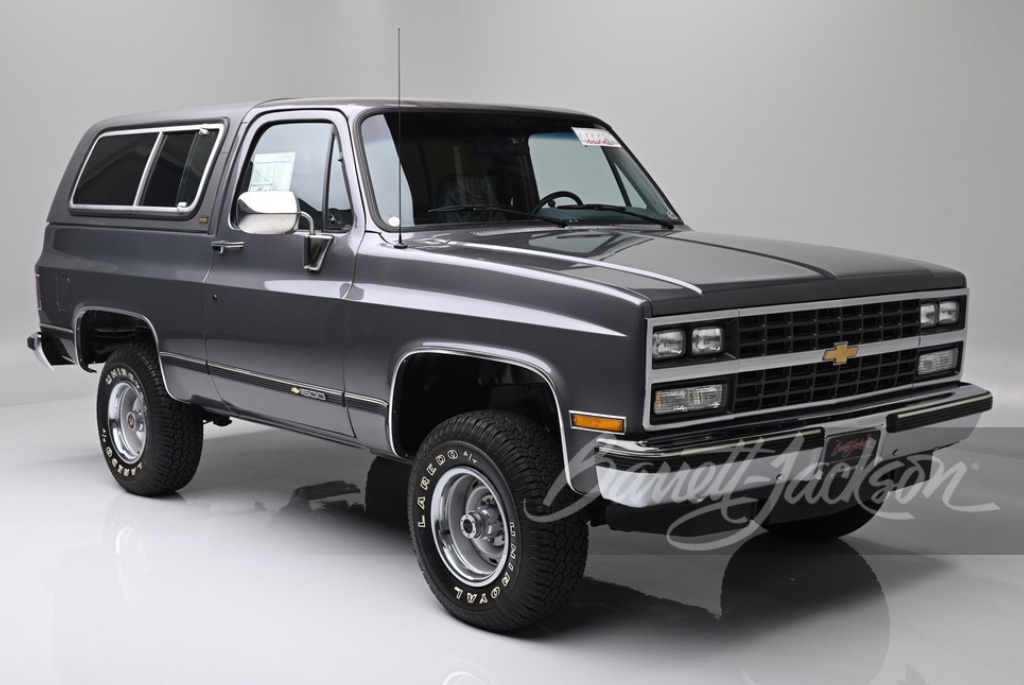
The 1989 Chevrolet K5 Blazer received another visual update, with the front-end design influenced by the newer C/K pickup trucks introduced for 1988.
The change kept the ageing K5 visually connected with Chevrolet’s latest truck range. Rather than replacing the proven platform immediately, Chevrolet continued to refine it.
By this stage, the K5 had accumulated two decades of development. Its core formula remained remarkably consistent, but the vehicle had become more comfortable, better equipped and mechanically more sophisticated than the original 1969 model.
The square-body silhouette had also become an important part of the vehicle’s identity. Today, late second-generation K5s are among the most recognisable classic Chevrolet SUVs, particularly in restored and modified form.
1991 Chevrolet K5 Blazer: The Final Chapter
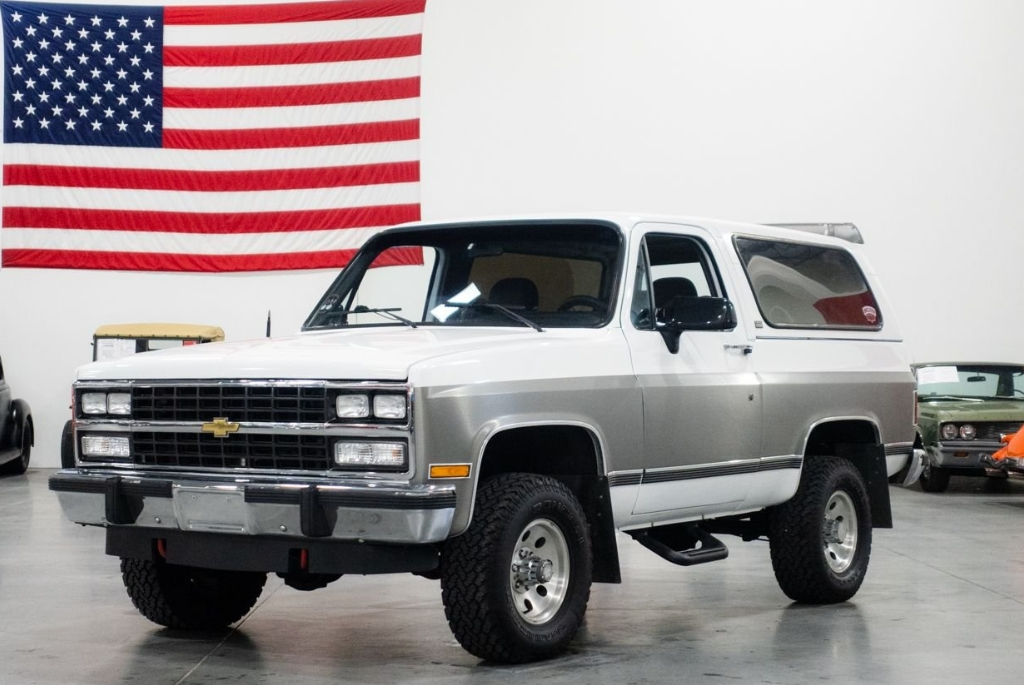
The 1991 Chevrolet K5 Blazer was the final iteration of the classic full-size Blazer model. Full-size SUVs began experiencing declining sales in the early 1990’s due to a consumer preference for economical vehicles.
The K5 continued with its established truck-based formula, but Chevrolet had already begun moving toward the next generation of full-size SUVs.
One notable development came with the use of throttle-body fuel injection on the 350-cubic-inch V8. MotorTrend notes that the fuel-injected engine produced 210 horsepower.
However, the market was moving in another direction. Four-door SUVs were becoming increasingly attractive, and the traditional two-door full-size format was losing relevance.
The K5 had reached the end of its natural development cycle.
1992 Chevrolet Blazer: A Fundamental Redesign
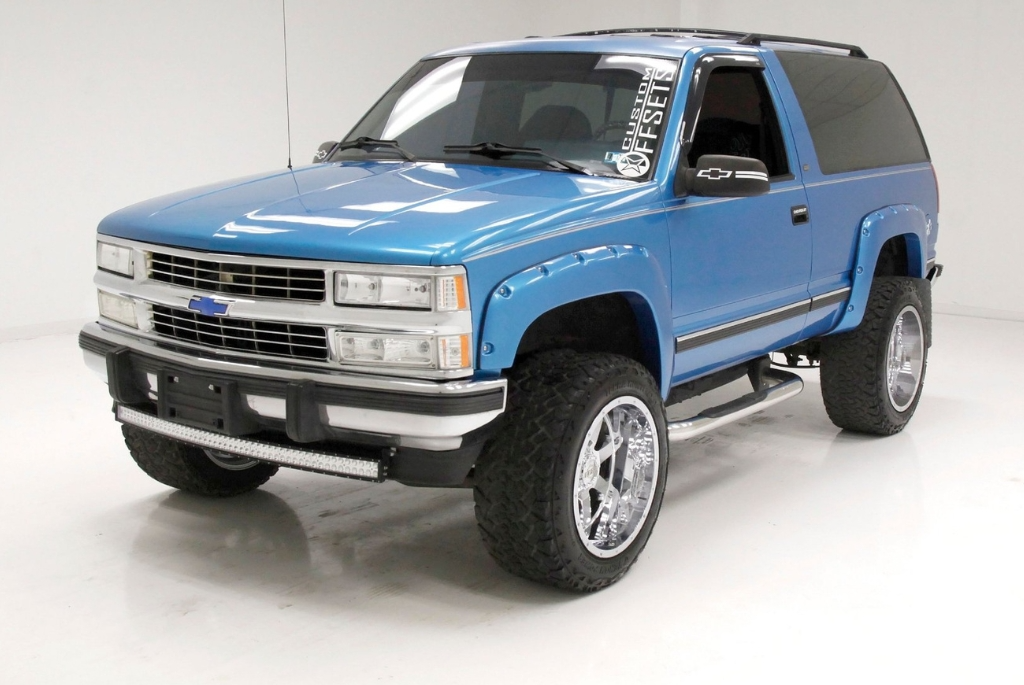
The 1992 Chevrolet Blazer was a departure from the traditional K5 model. Chevrolet moved the full-size Blazer and the larger Suburban to a shared architecture, which increased their size. The full-size Blazer was redesigned with the larger Suburban.
The most obvious change was the roof. The removable rear fiberglass section that had defined the K5 disappeared, replaced by a conventional steel roof.
The mechanical layout also evolved. The new-generation Blazer used independent front suspension and was available with a 5.7-liter V8. Car and Driver lists the engine at 210 horsepower, with a five-speed manual and four-speed automatic offered during the model’s run.
The result was a more refined and conventional full-size SUV.
It was still truck-based and still capable, but the personality had changed. The open-air, two-door recreational character of the classic K5 had given way to a more spacious and practical vehicle aimed at a changing SUV market.
1995 Chevrolet Tahoe: The K5 Legacy Continues Under a New Name
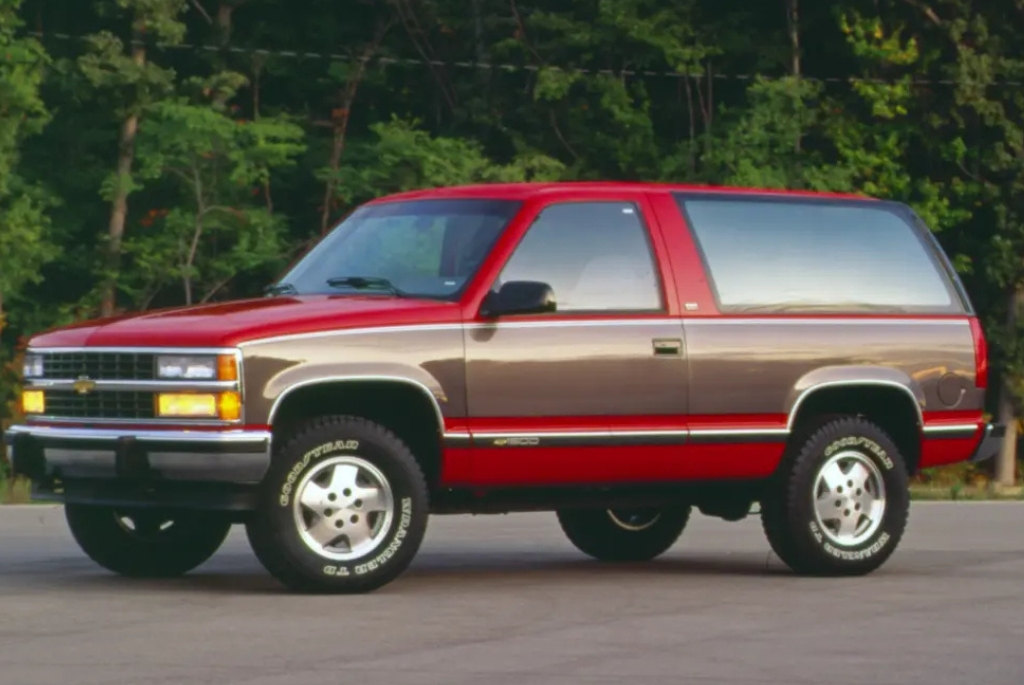
The 1995 Chevrolet Tahoe made Blazer the last name for Chevrolet’s full-size two-door SUV. During the 1995 model year, Chevrolet assigned the Tahoe name to a model that would become one of the most important full-size SUVs for the company.
The transition was logical. The market had moved beyond the classic K5 formula, with buyers increasingly demanding larger interiors, more passenger capacity and greater everyday practicality.
The Tahoe continued the truck-based full-size SUV philosophy, but it represented a more modern interpretation of the concept.
In that sense, the K5 Blazer did not disappear so much as evolve.
Also Read: Jaguar E-type Reborn: Why Settle For Just Modern When you can have a Legend?
Why the Chevrolet K5 Blazer Still Matters
The Chevrolet K5 Blazer helped establish a formula that would become hugely influential in the American automotive market.
Consolidating multiple characteristics into a single vehicle made this product significant. It includes:
- Pickup-centered durability
- Capability of four-wheel drive
- Spacious interior
- Ability for open-air driving
- Towing and utility
- Usability for everyday driving
The formula was simple, but its influence was enormous.
The K5 arrived when SUVs were still specialised vehicles. By the time production ended, the segment had become a major part of the American automotive landscape.
Its design also proved unusually adaptable. Classic examples are now restored in factory-correct form, while others have been transformed into modern restomods with updated engines, suspension, brakes and interiors.
However, those modified builds should be separated from original factory specifications. A modernised K5 may have little mechanical connection to the vehicle that left a Chevrolet dealership decades ago.
From K5 to Tahoe: The Evolution of an American SUV
The history of the Chevrolet K5 Blazer is ultimately a story about changing expectations.
The 1969 model was conceived as a truck-based alternative to smaller off-roaders. Its removable roof and four-wheel-drive system gave it a strong recreational identity, while its size provided more space than many competitors.
The second generation expanded the concept. The 1973 redesign introduced greater comfort and a more modern chassis, while the 1976 roof revision made the vehicle more practical for everyday use.
During the 1980s, the K5 gained new drivetrain technology and additional powertrain choices. The arrival of the smaller S-10 Blazer also showed how Chevrolet was responding to a rapidly expanding SUV market.
By 1992, the full-size Blazer had moved into an entirely different phase. The removable roof was gone, independent front suspension had arrived, and the vehicle was becoming increasingly focused on comfort and practicality.
Then came the Tahoe.
That transition illustrates just how far the American SUV had travelled in a little over two decades.
Final Verdict
The Chevrolet K5 Blazer was never simply a shortened pickup with an SUV body. Its importance comes from the way Chevrolet combined truck engineering, four-wheel-drive capability and passenger-friendly practicality at a time when the SUV market was still being defined.
From the 1969 Chevrolet K5 Blazer and its completely removable roof to the 1973 second-generation redesign, the 1976 roof transformation, the 1982 diesel option, the 1983 arrival of the S-10 Blazer, and the final K5 years leading into the 1992 redesign, each stage reflected changing ideas about what an SUV should be.
The changeover to the 1995 Tahoe completed the metamorphosis. While the Classic K5’s open-air element had vanished, the philosophy remained. That philosophy was to design a sizeable SUV, based on a pickup truck framework, that is built to withstand anything from work to play, as well as the everyday.
That is why the Chevrolet K5 Blazer continues to command attention among collectors and enthusiasts. Its square-body styling is unmistakable, its mechanical simplicity remains attractive, and its place in the development of the American SUV is difficult to overstate.
The K5 did not merely participate in the rise of the SUV. It helped define what the full-size American SUV could become.
About The Author