Families usually don’t realise they’ve outgrown their car until everyday routines start feeling harder. A third passenger joins the ride, luggage fills the boot faster than expected, or child seats take over the back row. Suddenly, space feels limited, comfort drops, and even short drives become tiring.
That’s where big family cars make a difference. Not with headline power figures, but with practical design: easy entry and exit, seats that work for real adults, storage placed where it’s useful, and cargo room that doesn’t disappear when all rows are in use.
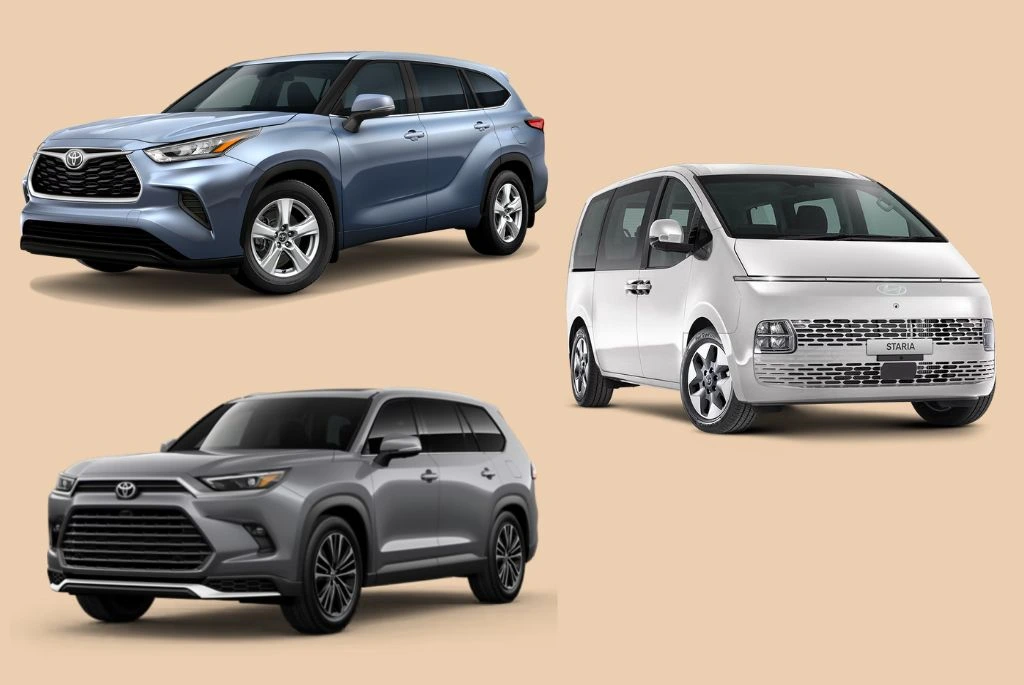
But families don’t shop for a vehicle type. They shop for a solution. That’s why this SUV vs MPV vs minivan debate is more than a styling preference. It’s a question of what kind of family life you want: rugged and upright, spacious and flexible, or effortless and convenience-first.
This guide breaks down the differences, the trade-offs, and the 10 best options worth putting on your shortlist.
The Real Difference Between SUVs, MPVs, and Minivans
- SUVs offer height, confidence, and style, but third row comfort varies a lot.
- MPVs are built for passengers, and tend to make better use of space.
- Minivans are the easiest day to day family vehicles, mostly because of sliding doors.
- The best pick depends on third row frequency and luggage needs.
- A 7 seater badge doesn’t guarantee 7 seat comfort.
Mini recommendation line: If you do school runs daily and use the third row often: a minivan is hard to beat.
SUV vs MPV vs Minivan: Which One Fits Your Life Best?
People often assume SUVs are automatically the best because they look tougher and feel more premium. In reality, the best format depends on how families actually move.
SUVs are ideal for drivers who want a commanding position, a strong stance, and the ability to handle weather or rough surfaces confidently. But many SUVs squeeze in a third row as an afterthought, and the result is a seat you tolerate, not enjoy.
MPVs are honest. Their main purpose is carrying people without drama. They’re typically lower, easier to enter, and designed around space management. A good MPV makes a family feel like it upgraded its lifestyle, not just its car.
Minivans remain the most family focused category in the world. They are not trying to be cool. They are trying to be useful. Sliding doors alone can feel like a cheat code when parking is tight and kids are unpredictable.
That’s the big picture. Now it gets more practical.
Why Big Family Cars Need More Than Extra Seats
A vehicle can have three rows and still be a poor family purchase.
The real difference is packaging.
- Can someone climb into the third row without folding into yoga shapes?
- Can the second row slide and recline properly?
- Do you get usable boot space when all seats are occupied?
- Does the cabin have storage that keeps daily life tidy?
This is why big family cars aren’t measured by length alone. They’re measured by how effectively they reduce stress.
The Truth About 7-Seaters and Third Row Comfort
Not all third rows are created equal. There are three types, and buyers should be honest about which one they’re shopping for.
Occasional third row
Fine for short trips, best for kids, not ideal for adults.
Adult friendly third row
Usable for medium drives, requires strong legroom and good seat design.
Proper third row
This is minivan territory, and it’s what real people-movers deliver.
Many SUVs live in the first category. MPVs can reach the second. Minivans usually dominate the third.
The Features That Make Family Vehicles Feel Premium
Premium isn’t leather and bigger screens. Premium is when the car makes everyday life easier.
Look for:
- Sliding doors or extra wide door opening angle
- Rear air vents that actually reach the third row
- Multiple USB charging points across rows
- Flat floor practicality in row two
- Seat folding that doesn’t require a gym session
- A boot that still works when seats are up
That’s why certain models become famous as modern mom cars even in markets where SUVs dominate. Convenience always wins in the long run.
Also read: Mercedes E220d Vs Audi A6: The Ultimate Battle of Luxury Sedans
Top 10 Big Family Cars: Best Picks Across SUV, MPV, and Minivan
Here are 10 models that stand out globally, not because they’re trendy, but because they’re genuinely easy to live with.
1. Toyota Sienna: Minivan
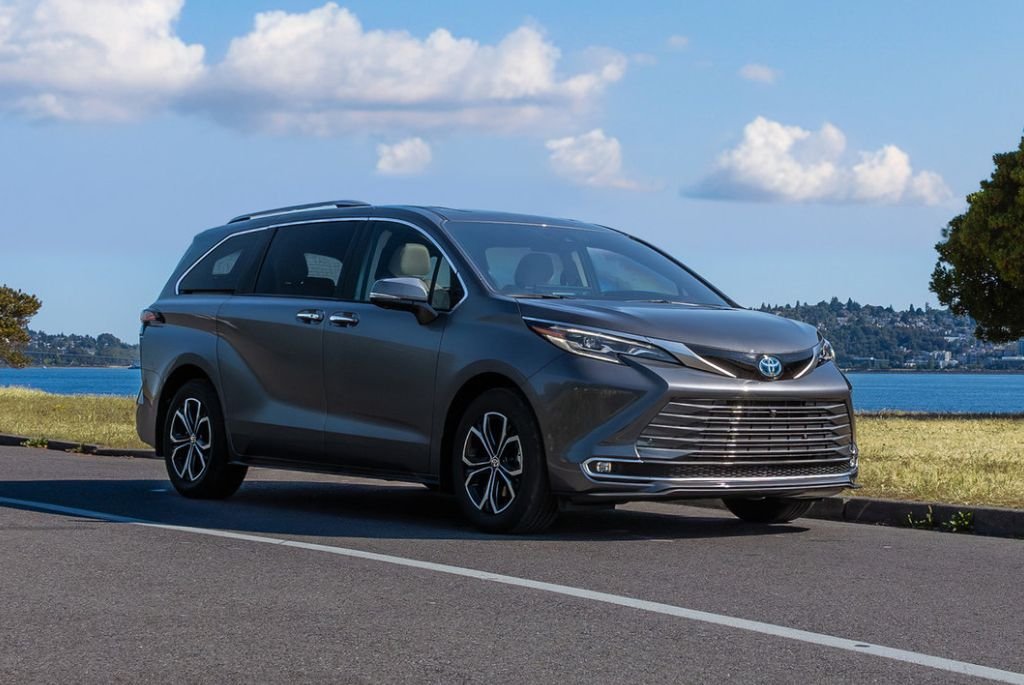
If families had to pick one vehicle type that simply works, it’s the Sienna formula.
- Hybrid efficiency makes it easier to justify long-term
- Sliding doors are a daily advantage, not a gimmick
- Third row is genuinely usable
What to know: Some markets have limited supply, and pricing can climb.
2. Honda Odyssey: Minivan
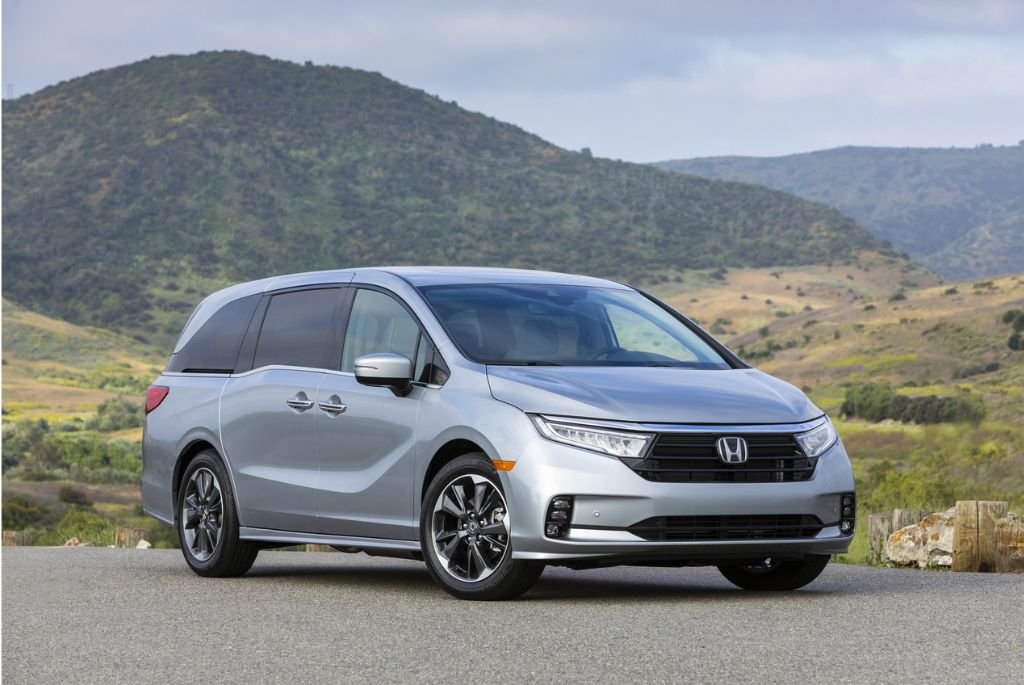
Odyssey has always been engineered like a family car should be.
- Comfortable ride, excellent seat cushioning
- Cabin layout feels practical, not complicated
- Strong highway manners
What to know: Efficiency is average in many variants.
3. Kia Carnival: Minivan or MPV
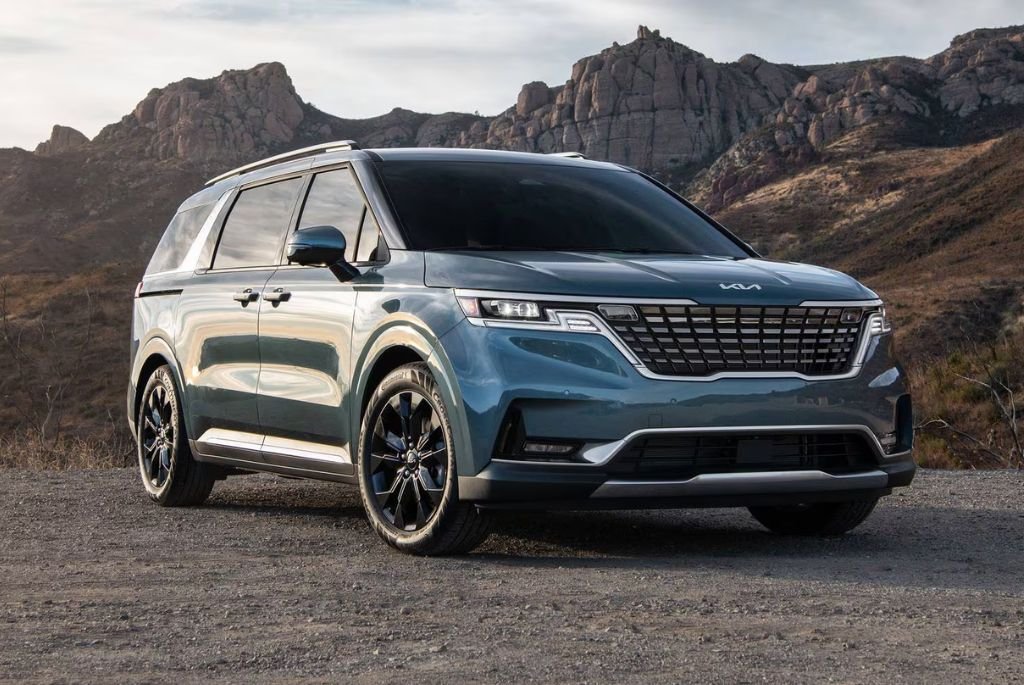
Carnival is the bridge between SUV buyers and minivan reality.
- Looks sharp enough to win over style-focused customers
- Great third row compared to most SUVs
- Strong cabin ambience
What to know: It’s large. Parking convenience depends on your city.
4. Toyota Highlander: SUV
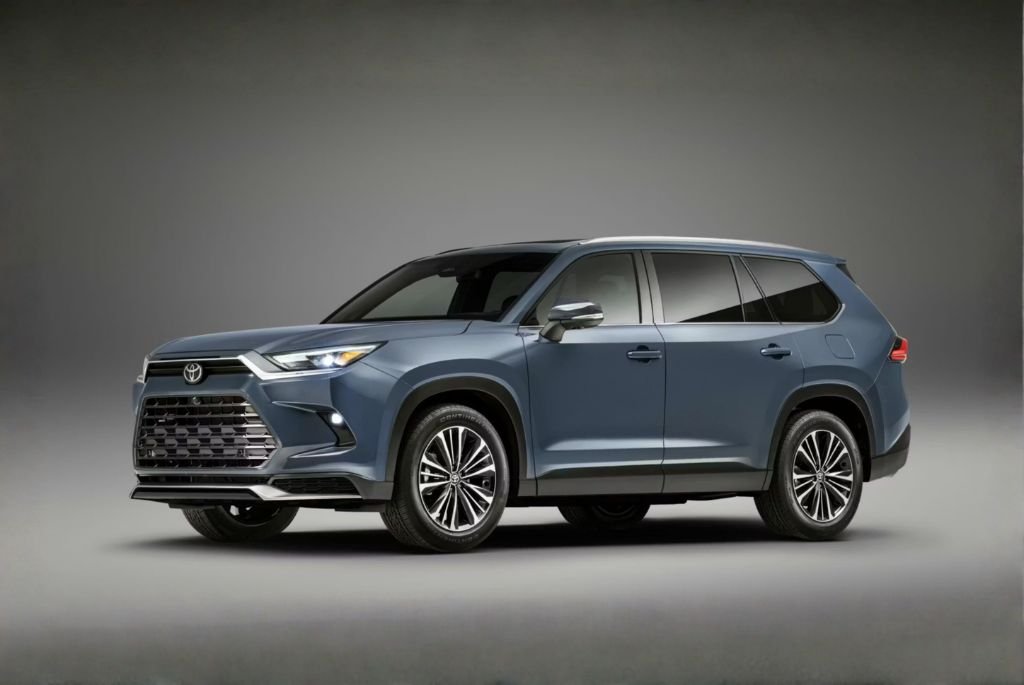
For buyers who want the SUV identity but still need daily practicality, Highlander hits the balance.
- Smooth ride and refined feel
- Hybrid option in many markets
- Strong overall ownership reputation
What to know: The third row is usable but not generous.
5. Kia Telluride: SUV
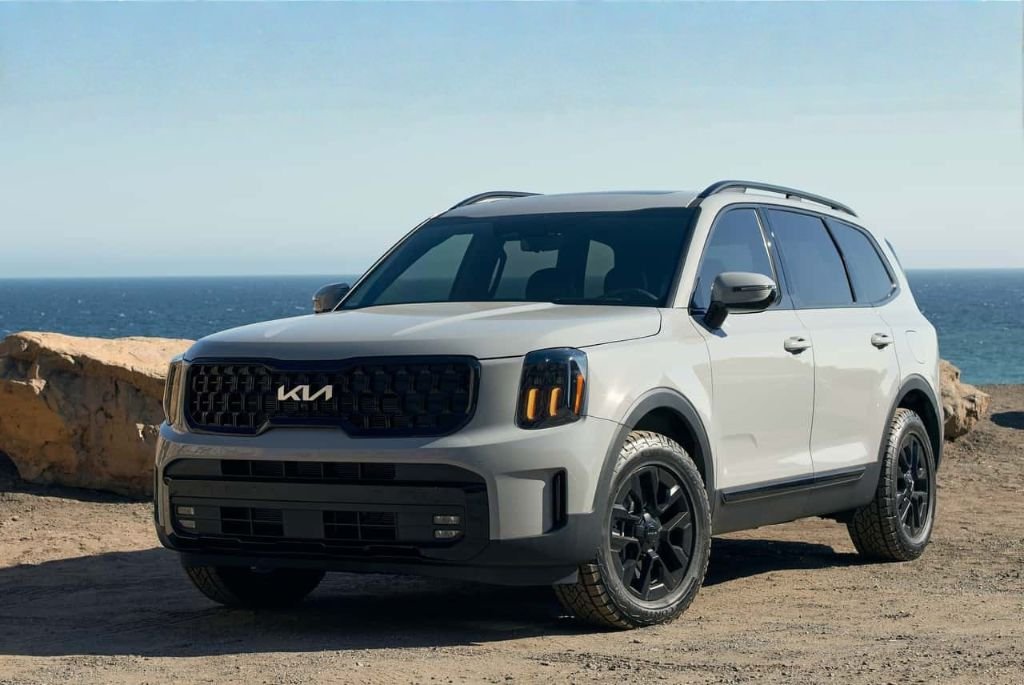
Telluride feels like what a family SUV should be: big, comfortable, and properly designed.
- Excellent second-row comfort
- Third row better than average in the segment
- Great for long trips
What to know: Demand often pushes pricing upward.
6. Hyundai Palisade: SUV
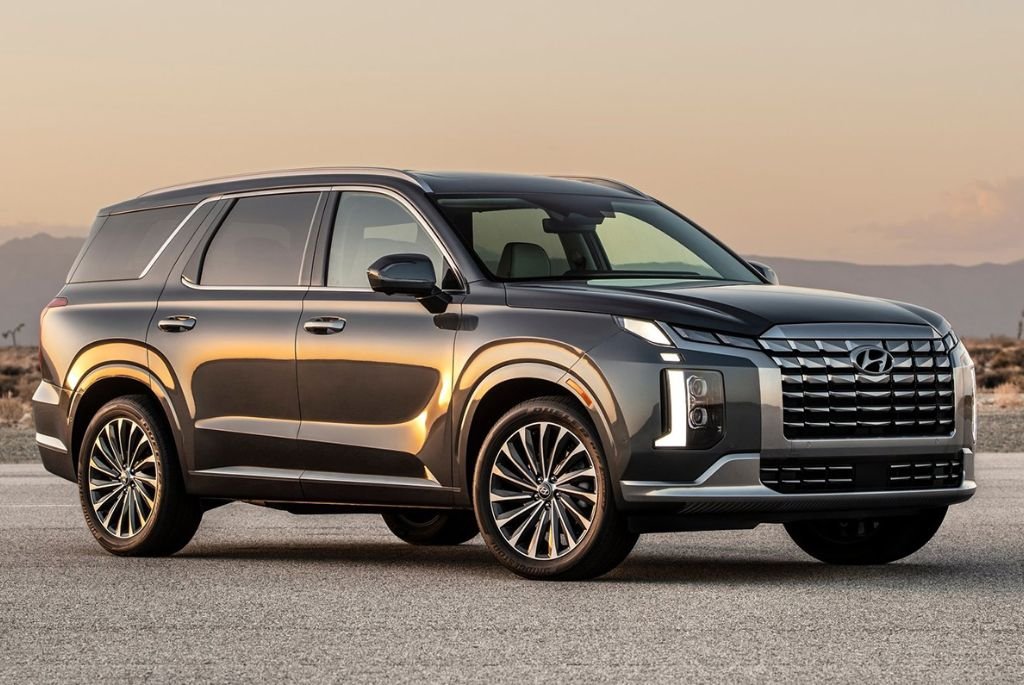
Palisade competes directly with Telluride, and it’s one of the most polished three-row SUVs.
- Quiet cabin and refined ride
- Well packaged interior space
- Strong family comfort
What to know: Fuel economy depends heavily on engine and driving style.
7. Chrysler Pacifica: Minivan
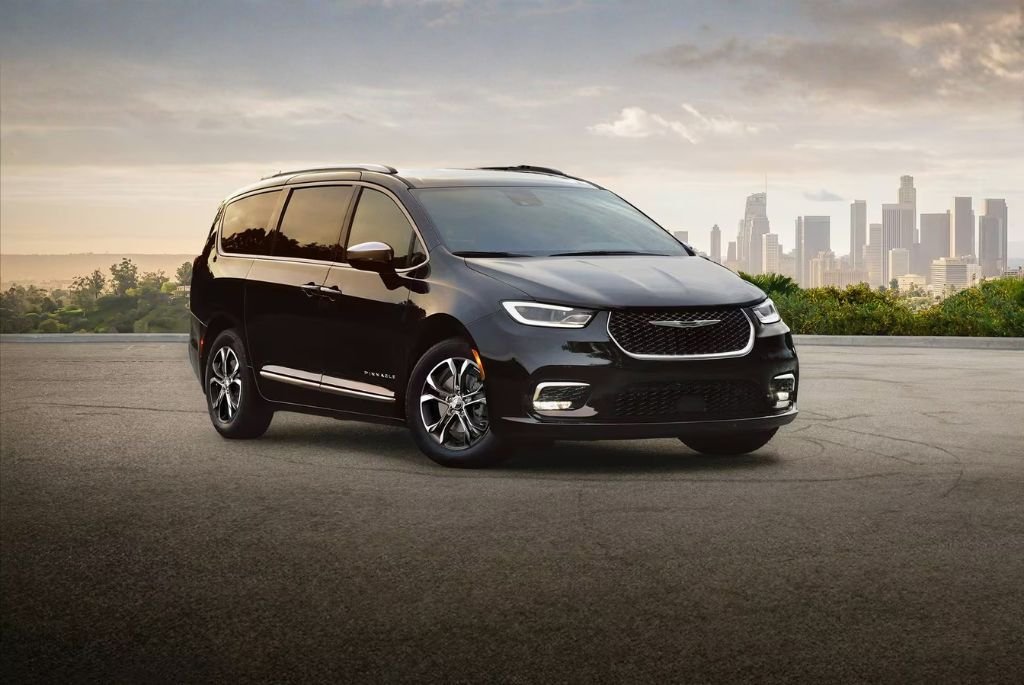
One of the most underrated family solutions, especially in plug in hybrid form.
- Excellent day to day practicality
- Comfortable for real long distance travel
- PHEV versions can reduce fuel use dramatically
What to know: Availability is limited in many regions.
8. Hyundai Staria: MPV
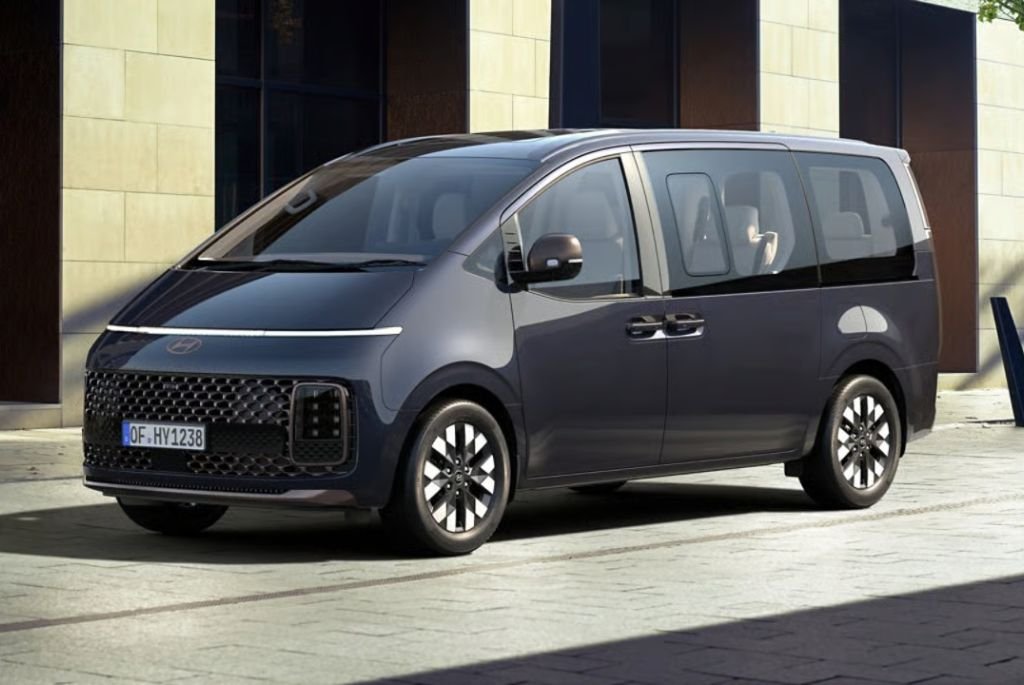
Staria looks unusual, but it makes sense the moment passengers step inside.
- Extremely roomy cabin design
- Good for larger families or airport style travel
- Strong comfort focus
What to know: Not a universal global product, depends on the market.
9. Toyota Innova Hycross: MPV

One of the best examples of why MPVs still matter.
- Strong practicality and seating flexibility
- Hybrid trims bring excellent efficiency
- Built to handle family use without feeling fragile
What to know: Market availability varies widely.
10. Mercedes-Benz V-Class: Premium Minivan
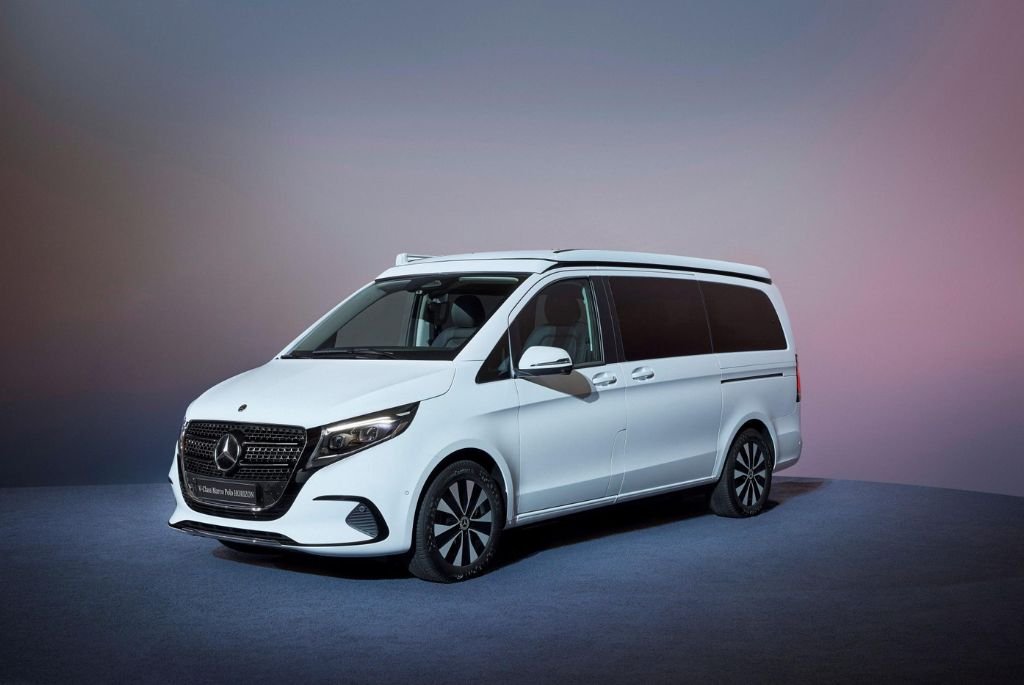
For families who want luxury without sacrificing practicality, V-Class sits at the top.
- First class comfort across rows
- Strong premium cabin feel
- Great for executive family travel
What to know: High entry price and premium ownership costs.
Comparison Table: SUV vs MPV vs Minivan Options
| Model | Type | Price Range | Engine or Power | Mileage or Efficiency | Best For |
| Toyota Sienna | Minivan | Mid to Premium | Hybrid | Strong for class | Best all-round family usability |
| Honda Odyssey | Minivan | Mid | Petrol | Average | Comfort and road trips |
| Kia Carnival | Minivan or MPV | Mid | Petrol or diesel | Good | Premium people mover |
| Toyota Highlander | SUV | Mid to Premium | Petrol or hybrid | Strong in hybrid | SUV feel with family logic |
| Kia Telluride | SUV | Mid to Premium | Petrol | Average | Spacious 3-row SUV |
| Hyundai Palisade | SUV | Mid to Premium | Petrol | Average | Quiet and comfortable family SUV |
| Chrysler Pacifica | Minivan | Mid | Petrol or PHEV | Great in PHEV | Best tech practical minivan |
| Hyundai Staria | MPV | Mid | Petrol or diesel | Varies | Maximum cabin room |
| Toyota Innova Hycross | MPV | Mid | Petrol or hybrid | Excellent hybrid | Practical big car for family |
| Mercedes-Benz V-Class | Premium Minivan | Premium | Petrol or diesel | Average | Luxury family travel |
TorqueYou Expert Advice: What To Check Before You Buy
Buying a family vehicle is less about the test drive and more about the ownership fit.
Check these before locking a deal:
- Third row access: can adults enter without discomfort
- Third row seating position: headroom, thigh support, knee angle
- Boot with all rows up: test with real luggage
- Second row flexibility: slide range matters more than recline angle
- Airflow: rear vents plus fan strength to the third row
- Fuel reality: hybrids can be a bigger advantage than power upgrades
- Tyre size and replacement cost: large wheels increase running costs
- Warranty terms: long ownership means warranty matters
- Dealer support: service quality beats feature count
- Resale: popular models protect value better
Mistakes Buyers Make With Top 10 Big Family Cars: SUV vs MPV vs Minivan
- Buying a third row they will never use: This often leads to owning a heavier, less efficient car unnecessarily.
- Prioritizing screens over seating comfort: Comfort becomes the real feature after month one.
- Ignoring access: If getting into the third row is annoying, it will be avoided.
- Not checking boot space realistically: Many buyers discover the luggage problem after purchase.
- Underestimating running costs: Tyres, brakes, fuel, and insurance are higher in larger vehicles.
- Choosing style over layout: Some SUVs look perfect, then fail at everyday practicality.
FAQs
Minivans usually win for pure family convenience, especially with sliding doors and usable third-row comfort. SUVs win for stance and style.
Yes. A strong MPV often offers the best balance of space, comfort, and efficiency, especially for regular passenger use.
Third-row comfort plus boot usability with all seats in use. If those two fail, the vehicle will feel big but not useful.
About The Author