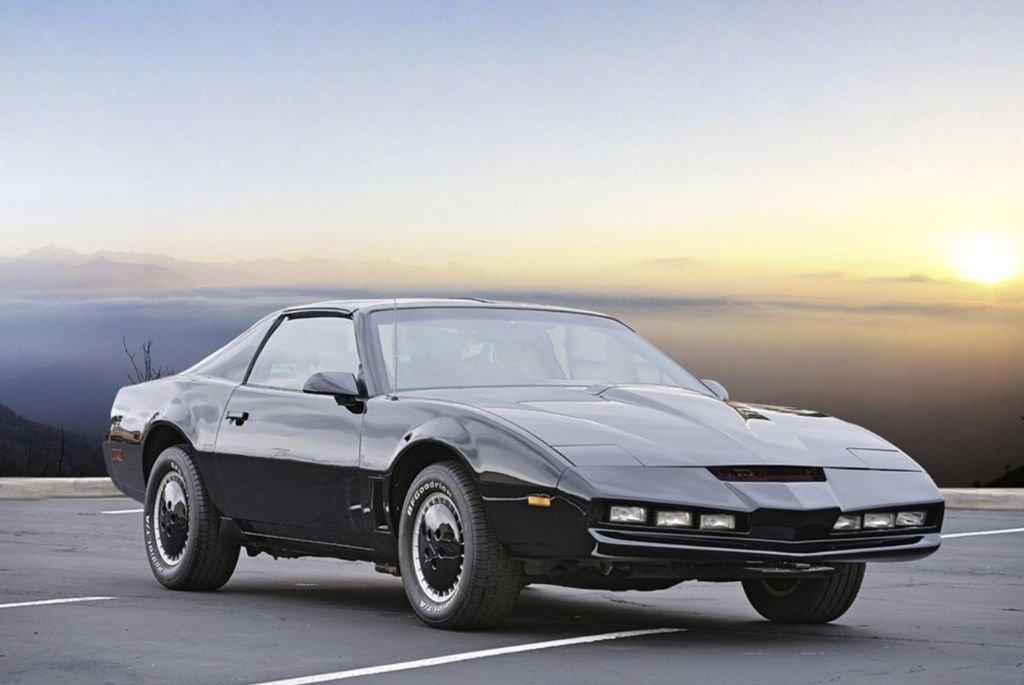
There was a time when cars didn’t just beep at you. They spoke to you.
Not in the modern, calm “please keep your eyes on the road” way either. These cars were more direct. More dramatic. More… 1980s. They’d tell you your door was open, your lights were on, your parking brake was still up, and they’d do it with the confidence of a strict teacher.
The idea of an ’80s car with talking warnings sounds like a joke today, but back then, it was genuinely futuristic. It made owners feel like they were driving something from the next century. It also made passengers laugh. Sometimes it made drivers panic. Either way, it left an impression.
And here’s the best part: these systems weren’t one-off gimmicks. Several manufacturers offered them, and some of the engineering decisions behind them were wonderfully strange.
What “Talking Warnings” Actually Were
A talking warning system was basically an early version of in-car voice feedback. Instead of a simple chime or buzzer, the car played a spoken message.
Typical warnings included:
- Door is open
- Lights are on
- Fuel level is low
- Parking brake is on
- Key is in the ignition
This wasn’t voice assistant technology. No conversations. No “Hey car, play my playlist.”
Just a dashboard voice making sure you didn’t forget something obvious.
That’s why the ’80s car with talking warnings still stands out in automotive history. It gave the car personality.
Why the 1980s Were the Perfect Time for Talking Cars
The 1980s were obsessed with technology. Even basic gadgets were marketed like they belonged in a spaceship. If something had a digital display, it automatically felt expensive and futuristic.
This was the decade of:
- Digital watches that beeped for no reason
- Home phones with huge buttons
- Sci-fi movies where everything talked
- Computerized stickers slapped onto everything from fans to microwaves
Car companies were trying to look advanced too. So they built cars with digital dashboards, fancy warning chimes, and, for a glorious moment, the ’80s car with talking warnings.
Chrysler’s Talking System: The One Most People Remember
If there’s one brand that really made the dashboard voice famous, it was Chrysler. Their talking warning system became one of the most recognisable “wow features” of the decade.
It did something clever for its time: when the voice message played, it could lower the radio volume so the driver wouldn’t miss the warning. That small detail seems normal now, but in the 1980s, it felt like you were driving a smart machine.
This system appeared on several Chrysler and Dodge models, especially those built on the company’s popular platforms of the time.
And the funny thing is, Chrysler didn’t treat it like some hidden feature. They proudly marketed it. A dashboard that talked made the car feel premium, even if the rest of the interior was mostly plastic and velour. In many ways, Chrysler helped define what an ’80s car with talking warnings meant.
Also read: Top 10 Most Expensive Hot Wheels Car (2026 List)
Nissan’s Voice Warning System: The Weirdly Brilliant One

Here’s where the 1980s get extra fun.
Some Nissan models offered a talking warning system that worked in a completely different way from most manufacturers. Instead of storing digital recordings, the system used a tiny phonograph-style record inside the car.
Yes. A miniature record player in your dashboard.
It had different tracks for different messages, and the system would “select” the right one depending on what warning you triggered. It’s such a strange, beautifully over-engineered idea that it almost feels made up. But it wasn’t.
If you owned one of these models, you weren’t just driving an 80s car with talking warnings. You were driving a car with the most unexpected piece of audio tech hidden inside it.
What the Voice Actually Said (And Why People Still Talk About It)
Modern cars are careful. They try not to annoy drivers. They use small icons and soft tones.
An 80s car with talking warnings didn’t care about being subtle.
It spoke plainly. Sometimes it even sounded slightly impatient, like the car had seen your mistakes too many times.
Common phrases included:
- Your door is ajar.
- Lights are on.
- The fuel level is low.
- The parking brake is on.
These messages were simple, but the experience was unforgettable. You could have the best day of your life, then the car would calmly remind you that you left the lights on again. That’s why people remember these systems. It felt like the car had attitude.
So Was It a “Talkable Car”?
In its own way, yes.
If you had an ’80s car with talking warnings, you basically had a talkable car. Not in the modern AI sense, but in a simpler and more charming way. It spoke only when it needed to, and it didn’t waste words.
No small talk. Just warnings.
If the 1980s had a personality in car form, this was it.
The Two Types of Owners
People reacted to these systems in two very different ways.
1. The ones who loved it
These owners showed it off proudly. Like a party trick.
They’d do things like:
- Open the door slightly
- Leave the parking brake up
- Turn off the ignition with the key still in
Then they’d grin and wait for the voice message.
2. The ones who got tired of it
They loved it for the first week. After that, they wanted silence.
Some cars even had ways to disable the voice warnings, because hearing “lights are on” repeatedly gets old fast when you’re just trying to live your life.
But even the people who switched it off never forgot it.
That’s the power of the ’80s car with talking warnings. It may have annoyed you, but it stuck in your memory forever.
It Wasn’t Just a Gimmick: It Helped Drivers
There was a real reason behind it.
Spoken warnings work better than small warning lights you might miss, especially in bright daylight. A clear voice message grabs attention instantly.
So this was early driver-support tech. Not advanced driver assistance systems, but the same basic idea: communicate clearly with the driver.
In that sense, the 1980s voice warning systems were early versions of what we now hear in modern vehicles through safety alerts, lane warnings, and navigation prompts.
The voice alert concept never died. It simply grew up and became normal.
Why Talking Dashboards Eventually Faded Out
If talking warnings were so useful, why aren’t they everywhere today?
A few reasons:
- Some drivers found them annoying
- Chimes were cheaper and simpler
- Early voice systems could fail or sound outdated
- Manufacturers moved toward standard warning strategies across models
By the 1990s, most brands shifted toward modern warning chimes, displays, and multi-function instrument clusters.
The talking dash became a quirky memory of the past.
Why People Still Love the 80s Talking Warnings
Enthusiasts still chase these systems today. Restorers try to bring them back to life. People post clips online like they’ve discovered ancient technology.
And honestly, it makes sense.
The 80s car with talking warnings represents a time when car tech was bold and slightly ridiculous, but never boring. It had character. It felt like the car had a personality, not just features.
It’s the sort of tech that makes you smile even when it tells you you’ve done something stupid.
Final Thoughts: The Car That Talked Back
If you grew up around an ’80s car with talking warnings, you probably remember the dashboard voice more clearly than the engine sound.
That says a lot.
It wasn’t just a warning system. It was a built-in commentator. A mechanical reminder that you left the parking brake on. Again.
And while today’s cars are smarter and more advanced, they’re not always as memorable as that one dashboard voice from the 1980s that calmly announced:
“Lights are on.”
For many enthusiasts, the ’80s car with talking warnings remains one of the coolest and funniest features the industry ever produced.
About The Author